- The right percentage of revenue to allocate to marketing in India
- How to split your budget across SEO, ads, social media, and content
- A 5-step process to create and refine your budget every quarter
- Why tracking cost per acquisition matters more than total spend
What a Digital Marketing Budget Really Means in 2026
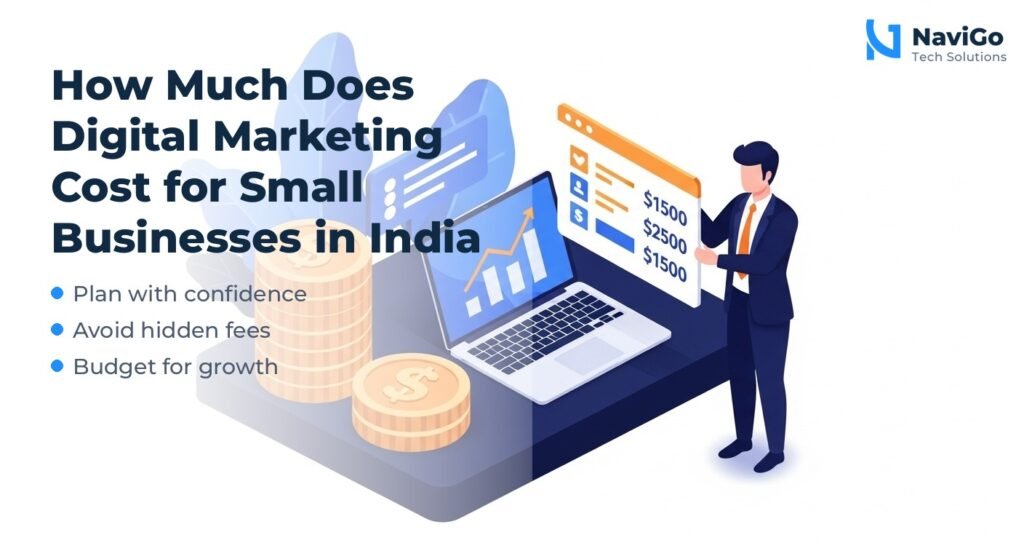
A digital marketing budget is not just a number you set aside each month. It is a planned allocation of money across channels that help you reach, convert, and retain customers online. In 2026, with Google’s AI updates and the rise of social search, that budget needs to be more flexible than ever.
For most Indian small businesses, the old approach of putting everything into one channel no longer works. A channelled strategy with clear goals is the only way to see real returns. Your budget should reflect your business stage. A new restaurant in Chennai needs a different spend structure than an established textile exporter in Coimbatore.
The digital marketing landscape in Chennai in 2026 has become highly competitive. With more businesses going online, simply having a website is not enough. You need a visible presence across search, social media, and local listings. Your budget must cover all three.
According to industry data, digital marketing is now central to business growth. The companies that allocate a clear percentage of revenue to marketing, typically 8 to 12 percent, tend to grow faster than those that spend ad hoc. The key is not the amount, but the clarity of purpose behind every rupee.
Why Your Budget Needs a Strategic Framework
Spending without a framework is gambling. A strategic approach ensures every rupee has a job. It lets you measure performance, cut waste, and scale what works.
Clear Goals Drive Allocation
Before you decide how much to spend, decide what you are spending for. Are you launching a new product? Do you need more footfall to your store? Or are you building brand recognition? Each goal demands a different mix of channels and budget weight. For instance, a lead generation goal requires more spend on SEO and Google Ads, while a brand awareness goal benefits from social media and content.
Customer Journey Awareness
Your customers do not buy on the first click. They research on search, check your social media, read reviews, and then decide. Your budget needs to cover each stage of this journey. Ignoring the middle stages where customers compare options is a common mistake. Allocate funds for retargeting and lead nurturing to stay visible through the entire decision process.
Seasonality and Local Events
Indian businesses face strong seasonal shifts. Festivals like Diwali, Pongal, and Onam change buying behaviour. Your budget should have a baseline for consistent activity and a flexible buffer for peak seasons. This buffer lets you increase ad spend or run special campaigns without disrupting your regular operations.
Data Over Gut Feel
The biggest advantage of digital marketing is measurability. Use data from your previous campaigns to decide where the next rupee goes. If Instagram generates more enquiries than Facebook, shift the balance. If Google Ads converts better than local directories, increase that share. Let the numbers guide you, not assumptions.
Regular Review Cycles
A budget is not a yearly document. It is a living plan. Review it monthly for performance and quarterly for strategic shifts. A monthly review catches waste early. A quarterly review lets you adapt to new tools, algorithm changes, or competitor moves. Consistent reviews keep your spending aligned with your growth.

Step-by-Step Guide to Building Your Budget
Follow these five steps to create a digital marketing budget that is practical, flexible, and focused on growth. Adjust the numbers to suit your business size and industry.
- Step 1: Set Your Revenue Baseline. Start with your average monthly revenue from the last 6 to 12 months. This gives you a realistic starting point. If your revenue is irregular, take an average. This number determines how much you can spend without stressing your cash flow.
- Step 2: Choose Your Spend Percentage. For most Indian small businesses, 8 to 12 percent of revenue is a healthy range for digital marketing. If you are in a competitive market like real estate or education, lean towards 12 percent. If you are a local service business with strong word-of-mouth, 6 to 8 percent can work initially.
- Step 3: Split by Channel and Goal. Allocate your total budget across channels based on your goals. Common splits are 30 percent for local SEO and listings, 25 percent for performance ads, 20 percent for social media content, 15 percent for content creation, and 10 percent for tools and reviews.
- Step 4: Add a Seasonal Buffer. Set aside 10 to 15 percent of your total budget for festive seasons or unexpected opportunities. This buffer allows you to run Diwali campaigns, Pongal offers, or react to a competitor’s move without cutting into your core spends.
- Step 5: Track and Adjust Monthly. Use tools like Google Analytics, Meta Business Suite, and your CRM to track results every month. Compare the cost per enquiry and cost per sale across channels. Move budget from low performers to high performers. This continuous adjustment is what makes your budget grow your business.
Common Mistakes That Waste Your Marketing Spend
Even with a good plan, small errors can eat into your returns. Here are the biggest mistakes Indian business owners make with their digital marketing budget.
No Clear Tracking Setup
Spending money without tracking results is the fastest way to waste it. Many businesses rely only on phone calls and do not know which channel generated them. Without proper tracking, you will keep funding campaigns that do not work. Set up call tracking, UTM links, and a simple CRM from day one. If this feels technical, work with a digital marketing service provider who can set it up for you.
Chasing Every New Platform
New platforms appear every year. Boarding every one of them without proof of results spreads your budget thin. Focus on two or three channels where your customers are active. Master those before exploring new ones. A strong presence on Instagram and Google is often enough for many local businesses in India.
Ignoring Organic Growth
Paid ads give quick results but stop when you stop paying. Organic channels like SEO and content marketing build long-term assets. Many businesses cut these first when budgets tighten, which hurts them later. Keep a steady allocation for organic growth even during lean months. It compounds over time. Our guide on social media SEO explains why search behaviour is shifting and why organic presence matters more than ever.
Setting Unrealistic Expectations
Expecting instant results from SEO or content is a recipe for disappointment. These channels take time. If you need results in 30 days, put more into paid ads. If you want sustainable growth over 6 to 12 months, invest in SEO and content. Match your expectations to the channel and the time frame. This prevents you from abandoning a working strategy too early.
Not Reviewing Ad Fatigue
Running the same ad for months reduces its effectiveness. Audiences get used to it and stop clicking. Review your ad creative monthly. Refresh images, headlines, and offers. Small changes can bring back lost engagement without increasing your budget.

Budget Allocation Table for Indian Businesses
Here is a practical breakdown for a business with a monthly revenue of about ₹2,00,000 and a marketing budget of ₹20,000, which is 10 percent. Adjust the numbers proportionally for your own revenue.
| Channel | Allocation | Monthly Spend | Expected Outcome |
|---|---|---|---|
| Local SEO & Listings | 20% | ₹4,000 | Higher Google Maps ranking and local visibility |
| Google Performance Ads | 25% | ₹5,000 | Direct enquiries and website traffic |
| Social Media (Instagram, Facebook) | 15% | ₹3,000 | Brand awareness and engagement |
| Content Creation (Reels, Blog, Posts) | 15% | ₹3,000 | Scaling assets for organic growth |
| Email & WhatsApp Marketing | 10% | ₹2,000 | Customer retention and repeat sales |
| Tools, Reviews & Buffer | 15% | ₹3,000 | Seasonal campaigns and performance tracking |
This split gives you a balanced approach. It covers both quick wins from ads and long-term growth from SEO and content. As your revenue grows, keep the same percentages and your overall spend grows naturally. For businesses in competitive areas, working with a digital marketing agency in Chennai can help you manage these channels more efficiently with expert execution.
Not sure which tool fits your business?
Our team at NaviGo Tech Solutions will set it up for you — free 30-minute strategy call.