- AI Overviews cause a 34% average click loss for triggered queries
- Pages cited inside the AI Overview lose only 11% of clicks
- Being cited gives an 8.3% click-through rate on the citation link versus 4.1% normally
- Four patterns explain 89% of all citations: direct answer match, structured data, recency, and brand authority
What Are Google AI Overviews and Why They Matter for India
Google AI Overviews are AI-generated summaries that appear at the top of search results. Instead of showing ten blue links, Google now displays a short answer created by its AI. This is a major shift from traditional search. For Indian small business owners, this change directly impacts your website traffic and leads.
The problem is simple. When a user sees a complete answer in the search results, they often do not click through to any website. The study found that queries triggering an AI Overview lost an average of 34% of organic clicks. For pages that ranked first but were not cited inside the AI Overview, the loss jumped to 58%. That is a massive traffic drop for a single change in Google’s algorithm.
In India, where many small businesses rely on blog content for leads, this is a critical issue. Generic blogs that answer common questions are now at risk of being fully summarised by AI. Your potential customer gets the answer without visiting your site. The only way to reverse this trend is to make sure Google’s AI chooses your content as a source. This requires a very specific SEO approach, which we explain in this guide. For a broader understanding of how the search landscape has changed, read our Google AI Updates 2026 guide.
The study also shows that local service queries in India are somewhat protected. AI Overviews trigger on only about 18% of local searches, and they often link to Google Maps packs. But for informational queries, comparison pages, and how-to guides, the risk is very high. Indian businesses that depend on these types of content must act now.
Why Your Indian Business Is Losing Clicks to AI Overviews
Direct Answer Match Is the Biggest Factor
The study found that 41% of all AI Overview citations come from pages that directly match the user’s query with a clear, one-sentence answer. If your blog post buries the answer in the third paragraph, Google’s AI will skip it. Indian businesses often write long-form content without a clear upfront answer. This is a quick way to lose the citation opportunity.
Structured Data Gives You a 2.3x Advantage
Pages that use FAQPage, HowTo, or Article schema are cited 2.3 times more often than pages without structured data. 28% of all citations come from schema-rich pages. Many Indian small business websites still lack proper schema markup. Adding this technical SEO element directly increases your chance of being featured inside AI Overviews.
Fresh Content Wins for Time-Sensitive Queries
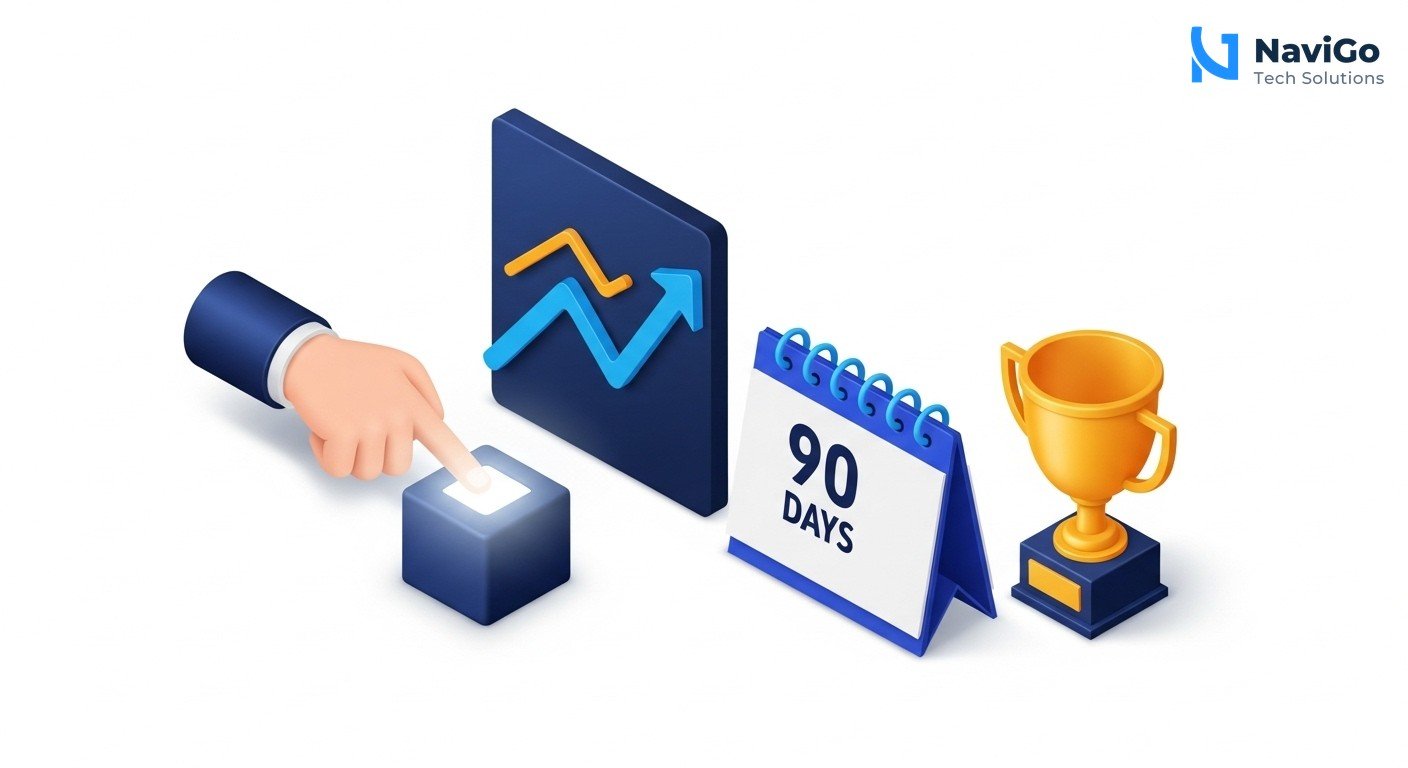
For queries with a freshness signal, 64% of citations come from pages published or updated in the last 90 days. Google’s AI prefers recent information. If your last blog update was two years ago, you are fighting a losing battle. Indian businesses that regularly refresh their content have a clear advantage. This is especially true for industries like finance, technology, and local services where information changes quickly.
Brand Authority Matters for Ambiguous Queries
When the query is not perfectly clear, Google’s AI prefers established brands with strong Knowledge Graph entries. For Indian small businesses, this means you need to build your brand presence across Google Business Profile, LinkedIn, YouTube, and other platforms. A well-maintained Knowledge Panel can make the difference between being cited or being ignored.
Together, these four patterns explain almost every citation decision. If you are not hitting at least two of these, your content will likely be left out.
7-Step Fix to Get Cited in AI Overviews
Step 1: Stop Publishing Generic Blogs
Replace generic listicles and beginner guides with implementation guides, case studies, original insights, and practical workflows. Google’s AI can easily summarise generic content. But it struggles to replace real expertise and original data. If you write something that only you could write, your citation chances go up dramatically.
Step 2: Improve Topical Authority
Pick one niche and cover it deeply. Do not write about ten unrelated topics. Google’s AI favours websites that demonstrate deep coverage within a specific area. If you run a dental clinic in Chennai, write about every aspect of dental care. Publish one comprehensive guide per month. Link between all your dental articles. This builds topical authority that AI Overviews reward.
Step 3: Strengthen Internal Linking
Properly connect all your content. A strong internal linking structure helps Google’s AI understand the semantic relationship between your pages. It also spreads authority across your site. Create a content hub where every post links to your pillar page. This simple change improves crawl understanding and topical authority.
Step 4: Improve EEAT Signals
Add real author profiles with photographs and credentials. Display your business address, phone number, and customer reviews prominently. Publish case studies and testimonials. Google’s AI evaluates Experience, Expertise, Authoritativeness, and Trustworthiness (EEAT) more strictly than ever. Indian small businesses that show real people behind the content will be preferred.
Step 5: Focus on Commercial Intent Keywords
Informational traffic is becoming unstable. Commercial intent keywords where users are looking to buy or solve a problem still generate strong clicks. Shift your content strategy toward solution-oriented topics. For example, instead of “what is SEO”, write “how to hire an SEO agency in Chennai”. These queries are more likely to send traffic even when AI Overviews appear. Learn more about targeting the right keywords with our SEO optimization services.
Step 6: Improve Technical SEO
Add FAQPage, HowTo, and Article schema to every relevant page. Submit an XML sitemap to Google Search Console. Optimise for Core Web Vitals and mobile responsiveness. Technical SEO remains vital because AI systems rely on crawlability, structured data, and page speed. A technically sound website is much more likely to be cited.
Step 7: Build Brand Visibility Beyond Google
Do not depend solely on Google for traffic. Build your presence on LinkedIn, YouTube, WhatsApp, and Google Business Profile. Diversifying your brand visibility makes Google’s AI trust you more. A strong brand across multiple platforms signals authority. It also protects your business if Google’s algorithm changes again.
Common SEO Mistakes That Kill AI Overview Citations
Mistake 1: Writing Thin, AI-Generated Content
Google penalises low-quality AI content. If your articles sound like they were churned by ChatGPT with no human editing, they will not be cited. Google prefers real expertise, practical insights, and trustworthy websites. Every paragraph must add unique value. Generic rewrites of competitor content will only hurt you.
Mistake 2: Ignoring Schema Markup
As mentioned, structured data gives a 2.3x advantage. Yet many Indian small business websites operate without any schema. This is a free SEO win that is widely ignored. Adding FAQ schema to your frequently asked questions page or HowTo schema to your tutorial can immediately improve your citation chances.
Mistake 3: Publishing Without a Freshness Strategy
Publishing one article and forgetting about it is a mistake. Google’s AI prefers content updated in the last 90 days. Create a content refresh schedule. Every quarter, update your top 10 performing pages with new statistics, fresh examples, and revised recommendations. Update the dateModified tag in your schema so Google knows the page is fresh.
Mistake 4: Neglecting Local SEO and Brand Building
Many Indian businesses forget to optimise their Google Business Profile. A complete GBP with reviews, photos, and posts strengthens your brand authority. It also increases your chances of being cited in local AI Overviews. Similarly, having no presence on LinkedIn or YouTube signals to Google that you are not a well-established brand. Building these profiles is worth the effort. Check our Local SEO Guide for Chennai to understand how local signals impact your visibility.
Avoid these mistakes and you will already be ahead of most Indian competitors who are still optimising for the old ten-blue-links world.

Old SEO vs New AI-Optimised SEO Comparison
The table below shows the key differences between traditional SEO strategies and the new AI-optimised approach that works with Google AI Overviews. Indian small businesses that embrace the new approach will maintain or grow their traffic. Those that stick with old tactics will keep losing clicks.
| Aspect | Old SEO (Pre-2026) | New AI-Optimised SEO (2026) | Why It Matters |
|---|---|---|---|
| Content style | Generic listicles and beginner guides | Implementation guides, case studies, original data | AI cannot easily summarise unique insights |
| Keyword focus | High-volume informational keywords | Commercial intent and solution-focused queries | Informational queries lose 34% clicks; commercial ones still convert |
| Freshness | Publish once and forget | Update content every 90 days minimum | 64% of citations favour recent pages |
| Structured data | Optional, often missing | Required; FAQPage, HowTo, Article schema | Schema-rich pages cited 2.3x more |
| Brand signals | Minimal online profiles | Active GBP, LinkedIn, YouTube, reviews | Brand authority helps with ambiguous queries |
| Internal linking | Weak or no linking structure | Strong content hub with semantic connections | Helps AI understand your topical expertise |
If you need expert help implementing this strategy for your Indian business, our team at NaviGo Tech Solutions can guide you through every step. From technical SEO improvements to content strategy, we help small businesses in Chennai and across India adapt to the AI search era.
Not sure which tool fits your business?
Our team at NaviGo Tech Solutions will set it up for you — free 30-minute strategy call.