- The exact features LinkedIn has rolled out to curb AI-generated posts
- Why authenticity now matters more than consistency for Indian brands
- How to audit your existing LinkedIn content for AI slop patterns
- A practical posting framework that combines AI assistance with human expertise
What is LinkedIn AI Slop and Why It Grew So Fast
LinkedIn AI slop refers to generic, low-effort posts generated by artificial intelligence tools. These posts often start with phrases like “In today’s fast-paced world” or “I am thrilled to share.” They lack real experience, specific data, or a human point of view. For the past two years, many Indian businesses and influencers have used AI tools to post daily, hoping to stay visible. The result is a feed full of similar-sounding content that adds very little value.
A recent study cited by India Today found that nearly half of all user posts on LinkedIn are now AI-generated. That is a staggering number. When half the content on a professional network is machine-written, engagement drops, trust erodes, and the platform loses its purpose. LinkedIn noticed this trend and decided to act.
For Indian brands, this creates a fork in the road. You can keep using the same old AI prompts and risk being labelled as spam, or you can adapt. The businesses that learn to use AI as an assistant, not a replacement, will capture more attention because the noise level will drop. Your competitors who rely on slop will lose reach, and that opens up space for you.
The key is understanding that LinkedIn does not hate AI. It hates lazy, unoriginal content. The platform wants posts that share real experience, whether you run a textile export business in Chennai or a SaaS startup in Bengaluru. Your unique story is your advantage, and no AI tool can replace it.
LinkedIn New Rules: Reporting Tools and Policy Changes
The New AI Slop Reporting Button
In late July 2026, LinkedIn introduced a new reporting button that lets users flag posts that “seem like AI slop.” The Times of India confirmed this feature is rolling out globally. When you see a post that looks automated or lacks originality, you can now click the three-dot menu and report it under this new category. This puts the power in the hands of the community.
Stricter Enforcement on Automated Content
LinkedIn’s Hari Srinivasan, in an interview with The Economic Times, outlined new measures to curb AI slop and automated activity. The platform is using machine learning models to detect patterns typical of AI-generated content. These patterns include repetitive phrasing, lack of personal details, and posting at unnatural intervals. If the system flags your account, your content reach will drop significantly.
Impact on Engagement and Reach Algorithm
Campaign Asia reported that LinkedIn is prioritising inauthentic content detection in its feed ranking. This means your post may not be shown to your followers if it appears too formulaic. The algorithm now rewards posts that generate thoughtful comments and meaningful discussions. A post with 50 genuine comments will outperform a post with 500 likes but no real conversation.
These changes are significant for Indian brands that have outsourced their LinkedIn presence to agencies that use bulk AI posting. The good news is that you can reverse this. Start by reviewing your past 30 posts. If most of them sound like they could have been written by any AI tool, you have a slop problem. You can fix this by bringing real stories and data into your content, and by working with a digital marketing partner who understands the nuances of the platform. For a full audit of your current strategy, our team at NaviGo Tech Solutions can help you align with the new rules.
How to Audit Your LinkedIn Content Strategy Today
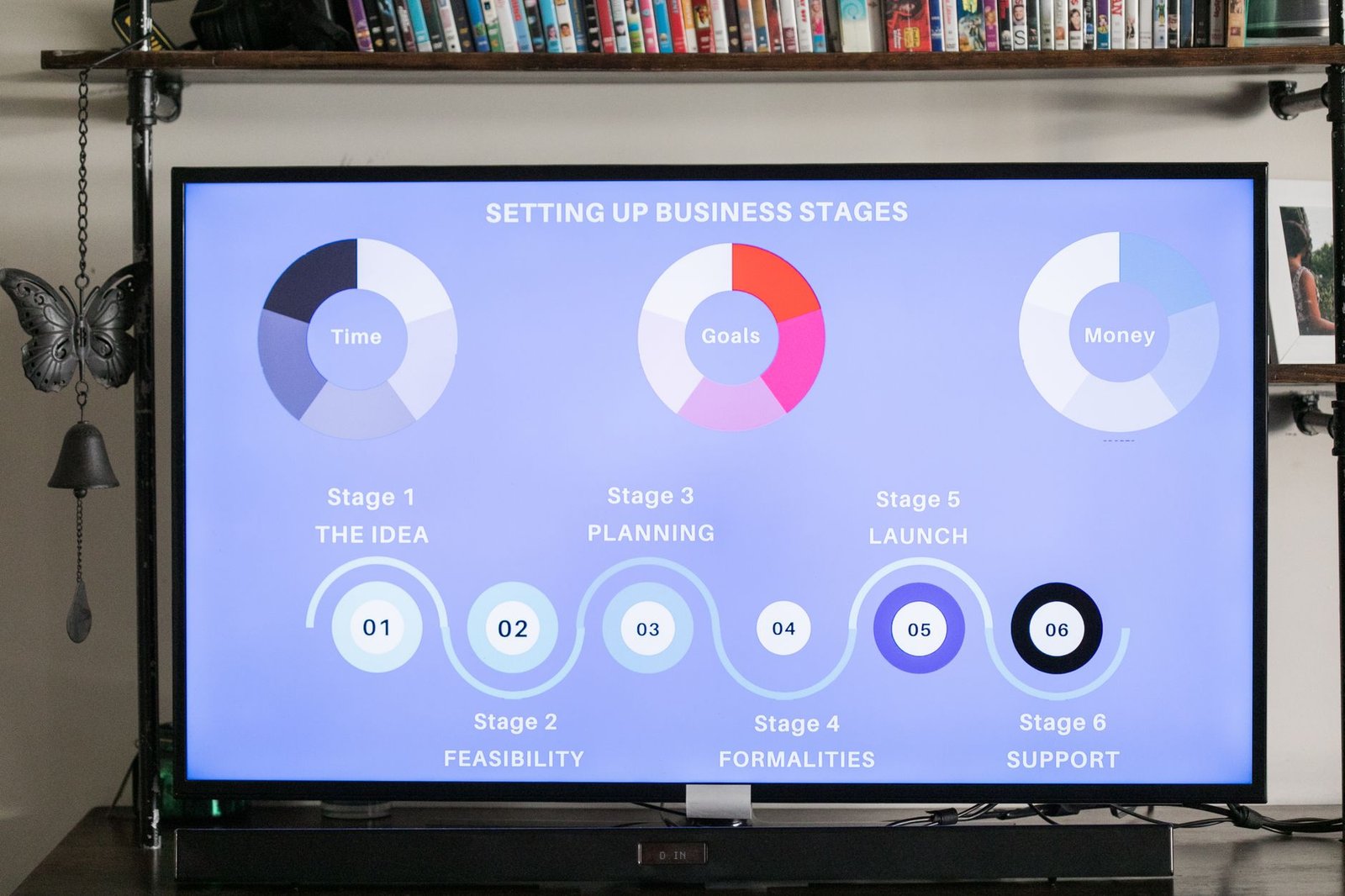
- Step 1: Review your last 30 posts. Scroll through your LinkedIn activity and list every post from the past month. Mark whether each post shares a specific client result, a personal lesson, or an industry observation. If more than half of your posts are generic motivational quotes or vague industry news, you are producing slop. This audit gives you a clear baseline.
- Step 2: Check your language patterns. Look for common AI phrases in your posts. Terms like “delve,” “landscape,” “game-changer,” and “navigate the complexities” are red flags. Human writing has personality and imperfection. If your posts all have the same rhythm and structure, an AI tool likely wrote them. Replace these with your own words.
- Step 3: Analyse your engagement quality. Go beyond likes and views. Look at the comments section. Are people asking questions? Are they sharing their own experiences? Or are they just leaving emojis? LinkedIn now prioritises meaningful engagement. If your comments are mostly “Great post” and “Thanks for sharing,” your content is not sparking real conversation.
- Step 4: Identify your authentic differentiators. Write down three things only you know about your business. It could be a quirky story about how you started, a specific challenge you overcame with a client, or a lesson from a failed project. These are your content goldmines. AI cannot invent these for you.
- Step 5: Set a new posting standard. Decide that every post must contain at least one of these elements: a specific number, a personal anecdote, or a clear opinion. If your draft lacks all three, rewrite it. This simple rule instantly removes slop from your pipeline.
Common Mistakes to Avoid After the LinkedIn Crackdown
Mistake 1: Posting Daily Just to Stay Visible
Many Indian brands believe that daily posting keeps them relevant. After the crackdown, this strategy can backfire. If you post every day but your content is thin and repetitive, the algorithm will flag you. Post three times a week with genuine insights instead of seven times with filler. Quality now directly impacts your reach. Before you decide on a posting cadence, consider reading about why Indian businesses fail at digital marketing to avoid common traps.
Mistake 2: Using AI Without Editing
You can still use AI tools for brainstorming and drafting. The mistake is publishing the raw output without adding your voice. Always edit the AI draft. Add a specific example from your own business. Break the structure. Write a conclusion that reflects your personal opinion. If you want a deeper understanding of the AI landscape, check our guide on Google AI updates to see how AI is shaping search and social platforms.
Mistake 3: Ignoring the Reporting Button
Some brands think the reporting button only affects individual posts. In reality, repeated reports against your account can lead to shadowbanning or reduced distribution. If your competitors or disgruntled users report your posts as AI slop, you could lose visibility. The safest approach is to make your content so clearly human that nobody would think of reporting it.
Mistake 4: Focusing Only on Sales Posts
LinkedIn is a relationship platform, not a classifieds site. If every third post is a product pitch, your audience will tune out. Share behind-the-scenes content, client success stories, and lessons from failures. This builds trust, and trust leads to sales. Track which posts generate the most inbound enquiries and double down on that format.

Comparison: AI Slop vs Authentic Content That Works
To make the shift easier, here is a practical comparison between the content that will get you flagged and the content that will grow your brand. Use this as a checklist before publishing any post on LinkedIn.
| Aspect | AI Slop (Avoid) | Authentic Content (Do This) | Expected Outcome |
|---|---|---|---|
| Opening Line | “In today’s digital era…” | “Last Tuesday, a client in Coimbatore asked me…” | Higher curiosity and click-through |
| Specificity | Vague statements about growth | Mention of exact numbers, like “42% increase in repeat orders” | Credibility and trust |
| Personal Experience | None, generic advice | A short story about a mistake you made | Relatability and comments |
| Call to Action | “Let’s connect!” | A specific question like “How do you handle late payments?” | Meaningful discussion |
| Posting Frequency | Daily automated posts | 2-3 thoughtful posts per week | Sustained organic reach |
| Visuals | Stock photos with generic overlays | Screenshots, real photos, simple charts | More saves and shares |
This table is not theoretical. Brands that make this shift are already seeing better results. The key is to treat LinkedIn as a professional community, not a broadcast channel. If you need help crafting an authentic content plan, our social media marketing services are built around the new rules. We will help you create posts that sound like you, not like a robot.
Not sure which tool fits your business?
Our team at NaviGo Tech Solutions will set it up for you — free 30-minute strategy call.