- Ahrefs data proves that AI Overviews reduce clicks by 34.5% on average
- 89% of AI search demand has no owner yet — Indian businesses can claim it
- SEO is more important than ever because AI assistants rely on grounded web content
- Practical steps to optimise for both Google and AI search engines
What Ahrefs Found About AI Search in 2026
Ahrefs, one of the most trusted SEO tools globally, published an in-depth analysis titled “What AI Means for SEO” in 2026. The findings are eye-opening for business owners in India who still rely on traditional search traffic. According to their data, ChatGPT has grown to 800 million weekly active users. That is a massive audience that bypasses Google search results entirely.
Google itself is not standing still. AI Overviews now appear for over 20% of all keywords in the United States, and this trend is spreading rapidly to India. When an AI Overview appears, the click-through rate to the number one organic result drops by an average of 34.5%. In other words, even if you rank first on Google, you may see far fewer visitors than before.
The Ahrefs report also highlights that 60% of all Google searches already end without a click. This is due to sponsored results, interactive tools, and featured snippets. AI Overviews are accelerating this trend. Indian businesses that depend on organic traffic need to understand that traditional SEO alone is no longer enough.
However, the report also offers a counterintuitive insight: SEO is more important than ever. AI assistants like ChatGPT and Google Gemini use a process called “grounding,” where they run web searches to find useful, relevant content. Websites that rank well in search engines are far more likely to be retrieved and cited by AI assistants. So the three pillars of SEO — content creation, link building, and technical health — remain critical for AI visibility too.
Why Indian Small Businesses Must Care About AI Search Trends
If you own a restaurant in T Nagar or a boutique in Velachery, you might think AI search does not affect you yet. But consider this: an estimated 74% of new web pages published in April 2025 contained some AI-generated content. That means your competitors are already flooding the internet with cheap, fast content. If you are not adapting, you are falling behind.
Ahrefs data shows that companies using AI publish 47% more content each month, and AI-generated content is 4.7 times cheaper than human-written content. However, the same study found no correlation between an article’s search ranking and whether it was written by AI. Quality still matters. The key is to use AI tools strategically while maintaining human oversight and expertise.
Another critical point: 89% of AI search demand has no owner. This means that when people ask AI assistants questions, the answers often come from generic sources or no source at all. Indian businesses have a golden opportunity to claim this demand by creating authoritative, grounded content that AI assistants prefer to cite. Our earlier blog post explains exactly how Indian businesses can claim this AI search demand.
Finally, look at the traffic comparison. Google Search accounts for almost 42% of all website traffic, while all AI assistants combined account for only 0.29%. This gap will narrow as AI adoption grows. Businesses that start optimising for AI search now will have a massive advantage when the shift accelerates.
Step-by-Step Guide to Optimise for AI Search in 2026
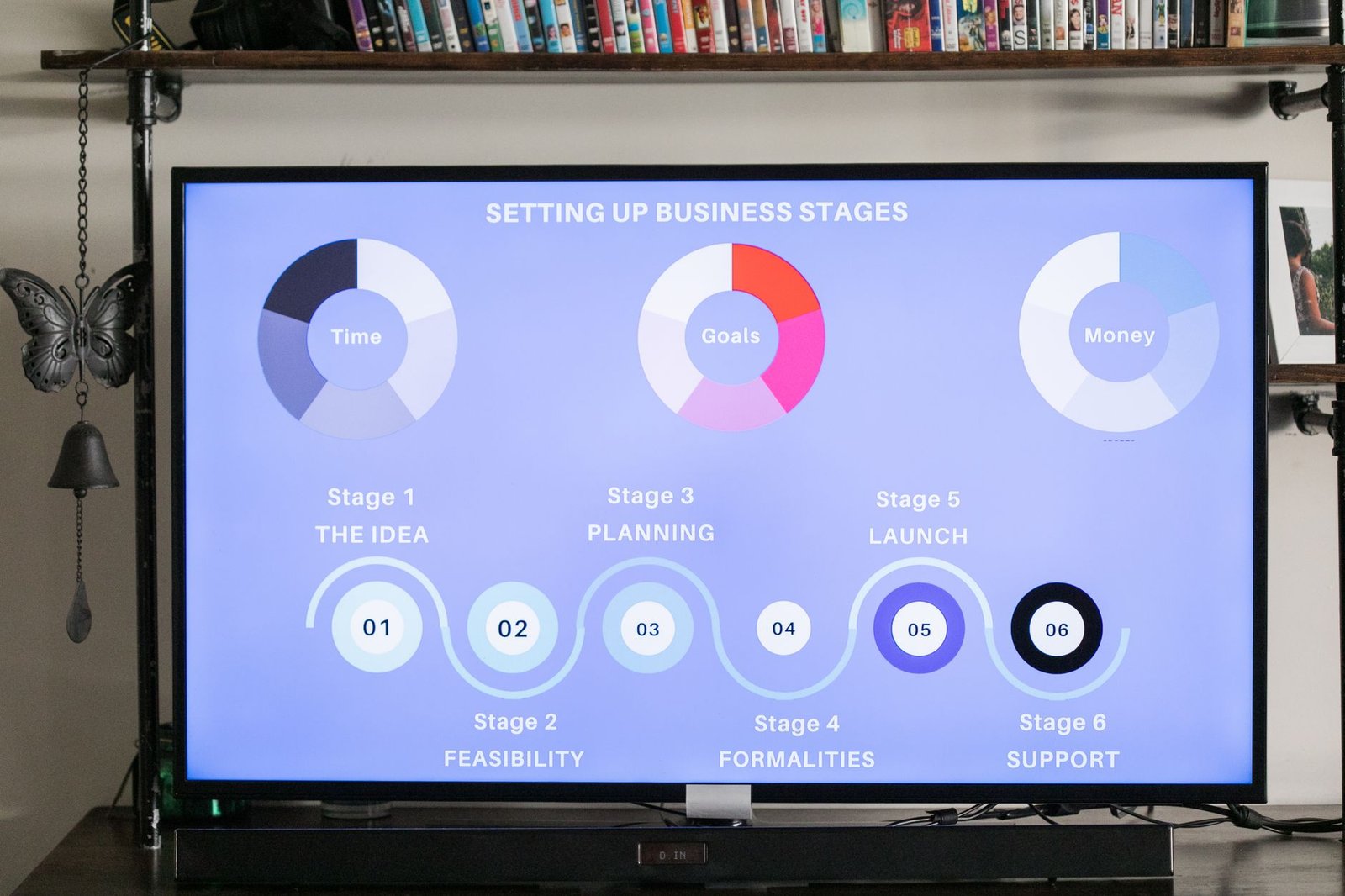
Based on Ahrefs findings and our experience helping Chennai businesses, here is a practical 5-step process to improve your visibility in AI search results. These steps work for both Google and AI assistants like ChatGPT.
- Step 1: Audit your current SEO health. Use tools like Ahrefs or Semrush to check your website’s technical SEO, backlinks, and content quality. AI assistants need clean, crawlable websites. Fix broken links, improve page speed, and ensure your site is mobile-friendly. A recent guide from Semrush highlights that AI visibility metrics are now available in most major SEO platforms.
- Step 2: Create authoritative, structured content. AI assistants prefer content that is well-organised, uses clear headings, and answers specific questions. Write detailed guides, include FAQs, and use bullet points. For example, if you run a jewellery store in Pondy Bazaar, create a page like “How to Choose a Diamond Ring in Chennai: Complete 2026 Guide” with structured sections.
- Step 3: Build topical authority through clusters. Instead of writing random blog posts, create content clusters around your core business topics. Link related articles together. This signals to both Google and AI assistants that you are an expert on the subject. For instance, a restaurant can create clusters around menu, ambience, location, and dietary options.
- Step 4: Optimise for voice and conversational queries. AI assistants respond to natural language questions. Include question-and-answer formats in your content. Use phrases like “What is the best time to visit Chennai beaches?” if relevant to your business. This matches how users interact with ChatGPT and Google Assistant.
- Step 5: Earn mentions and citations, not just backlinks. Ahrefs research shows that AI assistants value mentions as much as traditional backlinks. Get your business mentioned in reputable local directories, news articles, and community blogs. Ensure your NAP (Name, Address, Phone number) is consistent across all platforms. Our SEO Optimization service can help you build citations effectively.
Common Mistakes to Avoid When Adapting to AI Search
Mistake 1: Relying only on Google rankings
Many Indian business owners still obsess over ranking number one on Google. But as Ahrefs data shows, even the top result loses 34.5% clicks when an AI Overview appears. Diversify your approach. Focus on being cited by AI assistants, which often pull from higher-authority sources and well-structured content.
Mistake 2: Publishing low-quality AI-generated content
It is tempting to use AI to churn out hundreds of articles quickly. But Ahrefs found no correlation between AI content and better rankings. Worse, Google regularly updates its algorithms to detect and penalise low-effort AI content. Always edit, fact-check, and add original insights to any AI-generated draft. Work with a trusted partner like NaviGo Tech Solutions’ digital marketing team to maintain quality.
Mistake 3: Ignoring technical SEO for AI crawlers
AI assistants use crawlers too. If your site has heavy JavaScript, slow load times, or blocked resources, AI crawlers may fail to index your content. Use tools to check your robots.txt file and ensure AI crawlers like GPTBot are allowed to access your content. Also, include structured data markup to help AI understand your pages better.
Mistake 4: Forgetting local context in a global AI search world
AI assistants are becoming more location-aware. If you run a business in Chennai, your content must reflect local intent. Use Chennai-specific keywords, mention local landmarks, and include references to regional events. This increases the chance that AI assistants will recommend your business to local users. Our Local SEO Guide for Chennai covers this in depth.

Best SEO Tools for AI Visibility in 2026
To implement the strategies above, you need the right tools. Based on recent reviews and our own testing at NaviGo Tech Solutions, here are the top tools that help Indian businesses optimise for AI search. Each tool has its strengths, and the best choice depends on your budget and goals.
| Tool | Best For | AI Features | Starting Price |
|---|---|---|---|
| Ahrefs | Link building and content research | AI keyword brainstorming, content summarisation, AI page detection | Rs. 8,500/month |
| Semrush | AI visibility and competitor analysis | AI Visibility score, AI content creation, AI writing assistant | Rs. 7,800/month |
| Google Search Console | Free technical SEO monitoring | AI Overview performance tracking, crawl statistics | Free |
| Surfer SEO | Content optimisation for AI assistants | AI-driven content scoring, NLP-based recommendations | Rs. 5,500/month |
| MarketMuse | Topical authority building | AI content briefs, cluster analysis, entity optimisation | Rs. 12,000/month |
| ChatGPT (with web browsing) | Testing how AI sees your content | Ask ChatGPT to summarise your site or check citations | Rs. 1,500/month |
Remember, tools are only as good as your strategy. The most important investment is time spent creating content that truly serves your customers. If you need expert help implementing these strategies, consider working with a team that understands both traditional SEO and AI search. NaviGo Tech Solutions’ AI Strategy Consulting can help you build a roadmap tailored to your business.
Not sure which tool fits your business?
Our team at NaviGo Tech Solutions will set it up for you — free 30-minute strategy call.