
- OpenAI launched a dedicated India initiative and data centres with Tata.
- ChatGPT now has 900 million weekly users and 50 million paid subscribers.
- Enterprise features include data residency in India and a new Go plan for under $5.
- Indian startups raised $77 million in AI and tech funding in late May 2026.
- You can integrate ChatGPT with your existing tools for real business ROI.
What Are ChatGPT Enterprise Updates and Why Do They Matter for India?
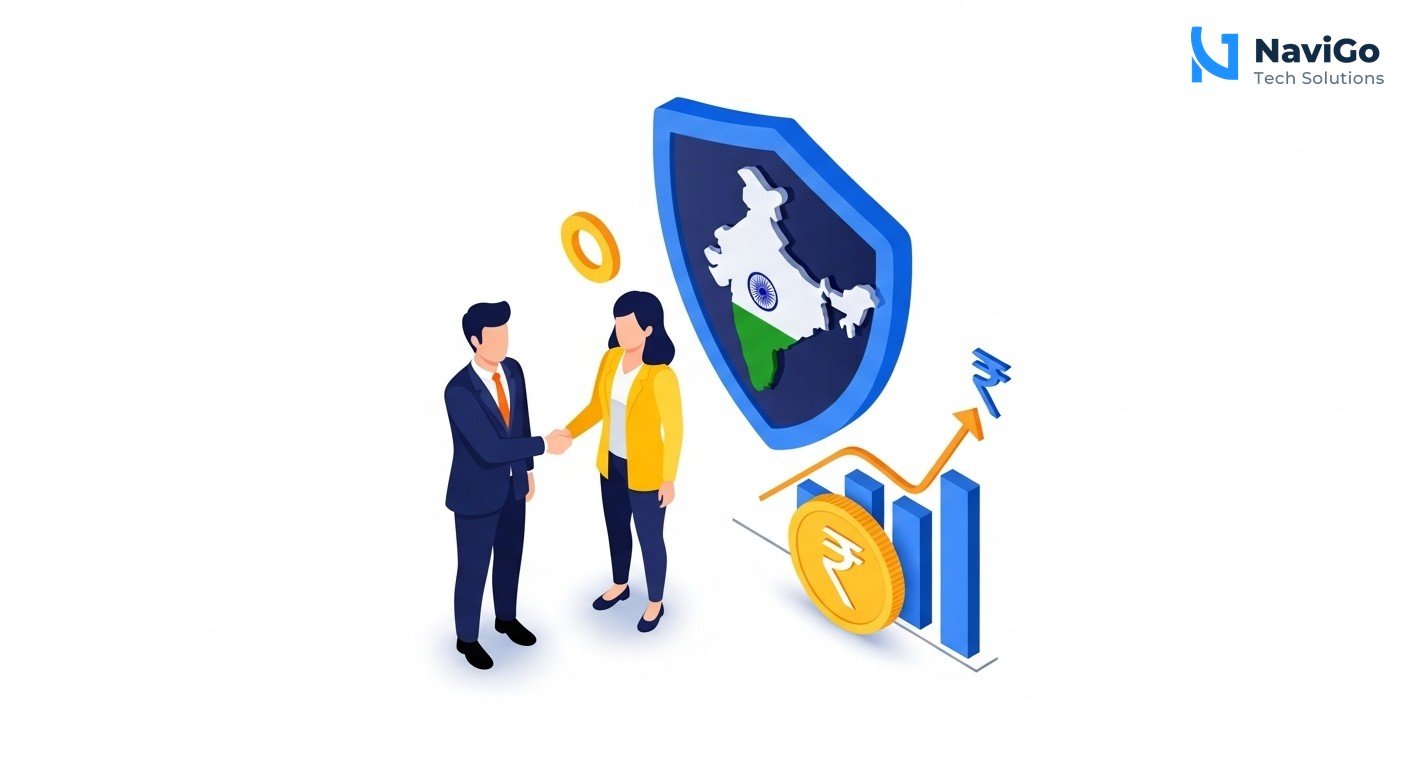
ChatGPT enterprise updates refer to new features and pricing plans that OpenAI has released specifically for businesses. These are not the same as the free chatbot you use at home. Enterprise updates include tools for data security, team collaboration, custom AI agents, and local data storage. For Indian businesses, this matters because until 2025, many features were only available in the US or Europe. Now, OpenAI has launched an India-specific initiative called “OpenAI for India” in February 2026, which includes local data centres and partnerships with Indian companies like Reliance Jio and Tata.
One major update is the data residency programme for Asia, including India. This means your business data stays within Indian borders, which is crucial for compliance with Indian laws and for building trust with your customers. Another key update is the ChatGPT Go plan, priced under $5 per month, which is now available in 16 Asian countries. This makes ChatGPT affordable for even the smallest Indian business. For example, a local retailer in Chennai can use it to generate product descriptions, answer customer questions, and schedule social media posts without paying high costs.
The impact of these updates is clear. With 900 million weekly users and 50 million paid subscribers globally, ChatGPT is becoming a standard tool for business. Indian companies that adopt it early can gain a real edge over competitors who are still relying on manual processes.
Why These Updates Matter for Indian Business Growth in 2026
OpenAI’s India-First Strategy
In February 2026, OpenAI launched “OpenAI for India,” a dedicated programme that includes local data centres, partnerships, and pricing tailored for the Indian market. This is not a one-size-fits-all global rollout. OpenAI is actively working with Indian companies like Reliance Jio to distribute ChatGPT and sell API access to businesses. For a small business owner, this means you can now use ChatGPT with confidence, knowing your data is stored in India and that support is local.
Data Residency and Security for Indian Companies
Data leakage is a growing concern. According to a February 2026 report from Business Standard, India’s enterprise AI boom is driving a surge in data leakage risks. The new data residency programme addresses this directly. Your business data stays in India, reducing legal and reputational risks. This is especially important for industries like banking, finance, and pharmaceuticals, where data privacy is non-negotiable.
Affordable Plans for Small Businesses
The ChatGPT Go plan, at under $5 per month, is a game-changer for Indian small businesses. Older plans like Plus and Enterprise are more expensive but offer advanced features like team management and custom agents. Now, even a single person business can access ChatGPT’s enterprise-grade capabilities without a large investment. This aligns with the fact that Indian startups across sectors raised over $77 million in just one week in late May 2026, showing strong investor confidence in AI-driven businesses.
Real Business Impact Across Sectors
ChatGPT enterprise updates are already being used by companies like Amgen, Booking.com, and T-Mobile globally. In India, sectors like government, BFSI (banking and financial services), and pharma are key drivers of AI adoption. For example, a Chennai-based financial advisor can use ChatGPT to draft client reports, analyse market trends, and even prepare compliance documents in minutes instead of hours.
Step-by-Step Guide to Using ChatGPT for Business Growth
You do not need to be a tech expert to use these updates. Follow these practical steps to get started today.
- 1. Choose the right plan for your business. If you are a solo entrepreneur or a small team, start with ChatGPT Go (under $5/month). For larger teams needing custom agents and data controls, choose ChatGPT Team or Enterprise. Evaluate your needs: do you need to process customer data? Do you need team collaboration? Select accordingly.
- 2. Set up your data residency. Go to your account settings and select India as your data region. This ensures all your conversations and files are stored in Indian data centres, meeting local compliance requirements. This is a step many business owners skip, but it is critical for privacy and legal safety.
- 3. Integrate ChatGPT with your existing tools. Connect ChatGPT to your CRM, email, or project management software. For example, if you use Google Drive or Slack, you can link ChatGPT to search your workplace data. This saves hours of manual searching and lets you generate reports instantly.
- 4. Create custom AI agents for repetitive tasks. Use the new AI agent feature to handle customer queries, schedule appointments, or draft invoices. For instance, a Chennai restaurant can set up an agent to take reservations, answer menu questions, and send reminders to customers. This frees up your staff for higher value work.
- 5. Train your team on best practices. The biggest mistake is assuming ChatGPT works perfectly out of the box. Teach your team how to write clear prompts, how to check AI outputs, and how to handle sensitive data. This training takes one session but prevents costly errors later. For help with this, consider our AI strategy consulting service to set up your business effectively.
Common Mistakes Indian Businesses Make with ChatGPT
Mistake 1: Using the Free Version for Sensitive Data
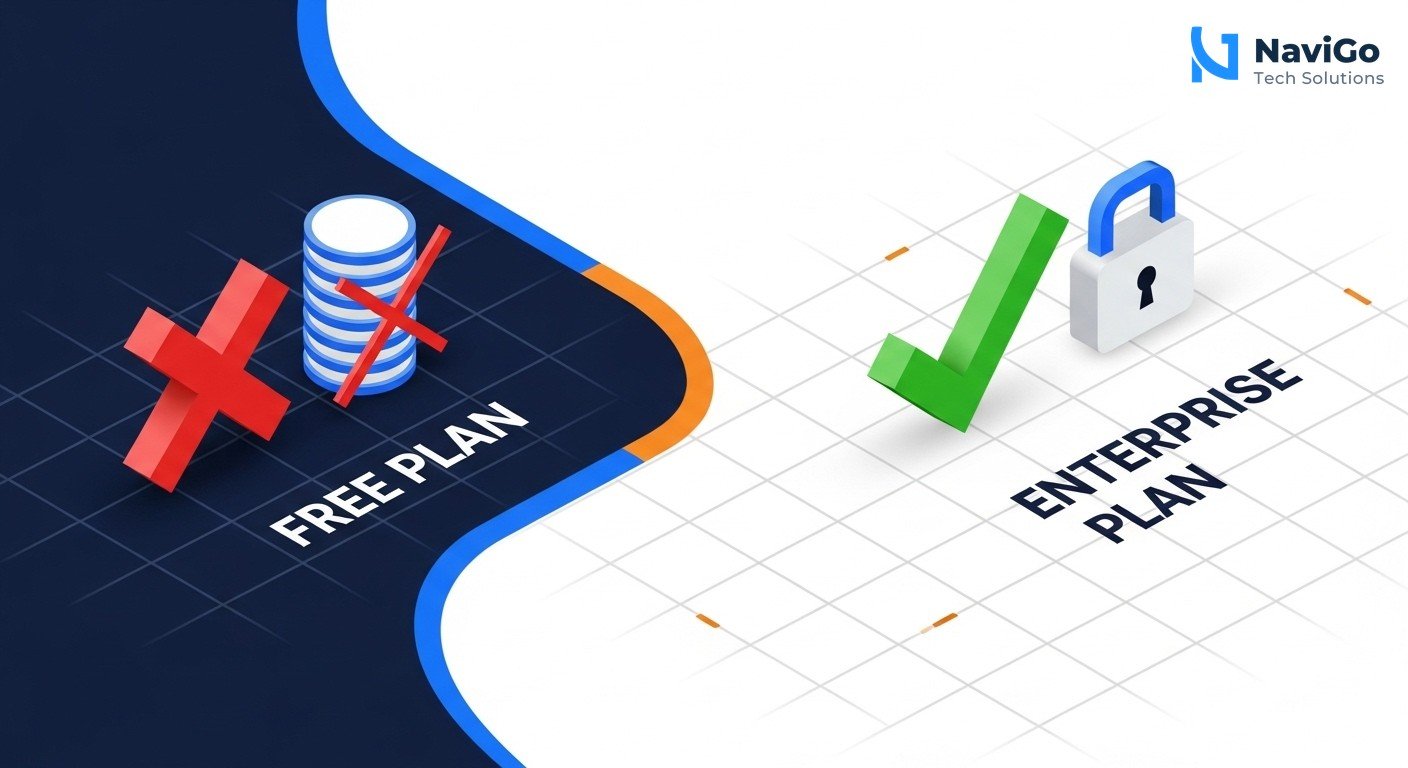
Many small business owners use the free ChatGPT for customer data, financial reports, or even client contracts. This is risky because free version data may be used for training and is not stored locally in India. Always use the Enterprise or Team plans for any sensitive information. Check our guide on ChatGPT ads for Indian small businesses to learn more about safe usage.
Mistake 2: Not Optimising Prompts for Indian Languages and Context
ChatGPT works best when you write prompts that reflect your local language and culture. If you ask for a “marketing email” in English, you miss out on the power of using Hindi, Tamil, or other regional languages. OpenAI models now support many Indian languages. Write your prompts in a mix of English and your local language for better results.
Mistake 3: Ignoring Data Leakage Risks
As noted in the Business Standard report, the enterprise AI boom is increasing data leakage risks. Do not copy and paste sensitive business information into ChatGPT without checking your data residency settings. Also train your team never to share passwords, bank details, or proprietary strategies through the chat interface.
Mistake 4: Expecting Instant Results Without Training
ChatGPT is a tool, not a magic wand. You need to spend time refining prompts, checking outputs for accuracy, and integrating the tool into your workflow. Many Indian business owners try ChatGPT once, get a mediocre result, and give up. Instead, invest a few hours learning prompt engineering basics. For a structured approach, see our GPT-5.2 explained for business post.
Comparison of ChatGPT Plans for Indian Businesses
Choosing the right ChatGPT plan depends on your team size, data needs, and budget. Below is a comparison of the main plans available for Indian businesses in 2026.
| Plan | Monthly Price (India) | Best For | Key Features |
|---|---|---|---|
| ChatGPT Go | Under ₹400 | Solo entrepreneurs, freelancers | Basic AI access, limited data residency, no team management |
| ChatGPT Plus | ₹1,500 approx | Small teams, regular users | Faster responses, priority access, image generation, data residency in India |
| ChatGPT Team | ₹2,500 per user | Small to medium businesses (5-50 users) | Custom agents, data controls, team workspace, advanced analytics |
| ChatGPT Enterprise | Custom pricing | Large businesses, regulated sectors | Unlimited speed, dedicated support, compliance tools, India data residency, SAML/SSO |
| ChatGPT Go (Asia) | Under ₹400 | Expanded to 16 Asian countries | Same as Go plan but with local language support and regional servers |
For most small businesses, starting with ChatGPT Go or Team is the right move. As you grow, you can upgrade to Enterprise for custom AI agents and advanced security. If you need help deciding which plan is best for your specific business, our team at NaviGo Tech Solutions offers AI strategy consulting to guide you through the process.
Not sure which tool fits your business?
Our team at NaviGo Tech Solutions will set it up for you - free 30-minute strategy call.