- How Anthropic’s invisible text watermark works inside Claude
- Why this matters for Indian agencies, freelancers and in-house teams
- Step-by-step workflow to keep producing quality content safely
- Which mistakes to avoid and what tools to compare before you switch
What is Claude Watermarking?
Claude watermarking is a system developed by Anthropic that embeds an invisible, cryptographic pattern into the text Claude generates. You cannot see it, and it does not change the quality of the output. But it can be detected by a separate tool designed to scan for it. Anthropic announced this feature will be rolled out across its Claude models, and the company has explained the technical details publicly.
Think of it like a hidden stamp on a cloth. The fabric looks and feels the same, but a special scanner can tell you exactly which mill produced it. In the same way, a watermark on AI text tells you which model generated that content. This matters because search engines and publishers are increasingly looking for ways to identify AI-generated material.
For Indian businesses, this is not a distant concern. Anthropic has also announced in-country Claude inference in India via Amazon Bedrock. That means more Indian companies will start using Claude directly, which makes understanding the watermark essential for your content operations today.
The watermark is designed to be robust against common edits like rewriting, paraphrasing and small changes. This is a significant shift from earlier AI detection methods, which were easy to fool. If you are a content lead in Chennai or Mumbai, you need to plan for this.
Why It Matters for Indian Content Teams
Your SEO Rankings Could Be at Risk
Google has repeatedly said it rewards helpful content, not necessarily human-written content. But if your AI-generated articles are flagged and your competitors are not, you lose the trust of your audience. With Claude watermarking, detection becomes far more reliable. Indian content teams that rely heavily on Claude without human editing may see their pages drop in rankings.
Client Trust and Transparency
If you run an agency in Delhi or Bengaluru, your clients may ask whether your content is AI-written. Some clients in regulated industries like finance and healthcare will demand human authorship. The watermark gives clients a way to verify. Being upfront about your process now is better than being caught later.
Legal and Ethical Compliance
India does not yet have AI-specific content laws, but that is changing. The government has shown interest in regulating AI. If a client faces a dispute over AI content, the watermark could be used as evidence. Keeping clean records and transparent workflows protects you legally. For more context on how AI is transforming Indian business operations, see our guide on cutting operations costs with AI agents.
Content Quality Will Become the Differentiator
The watermark does not change the quality of Claude’s writing. What changes is that everyone can now prove how the content was made. Teams that invest in strong human editing, local insights and original research will stand out. Those who just copy-paste AI text will find it harder to justify their prices.
A Step-by-Step Guide to Adapting Your Workflow
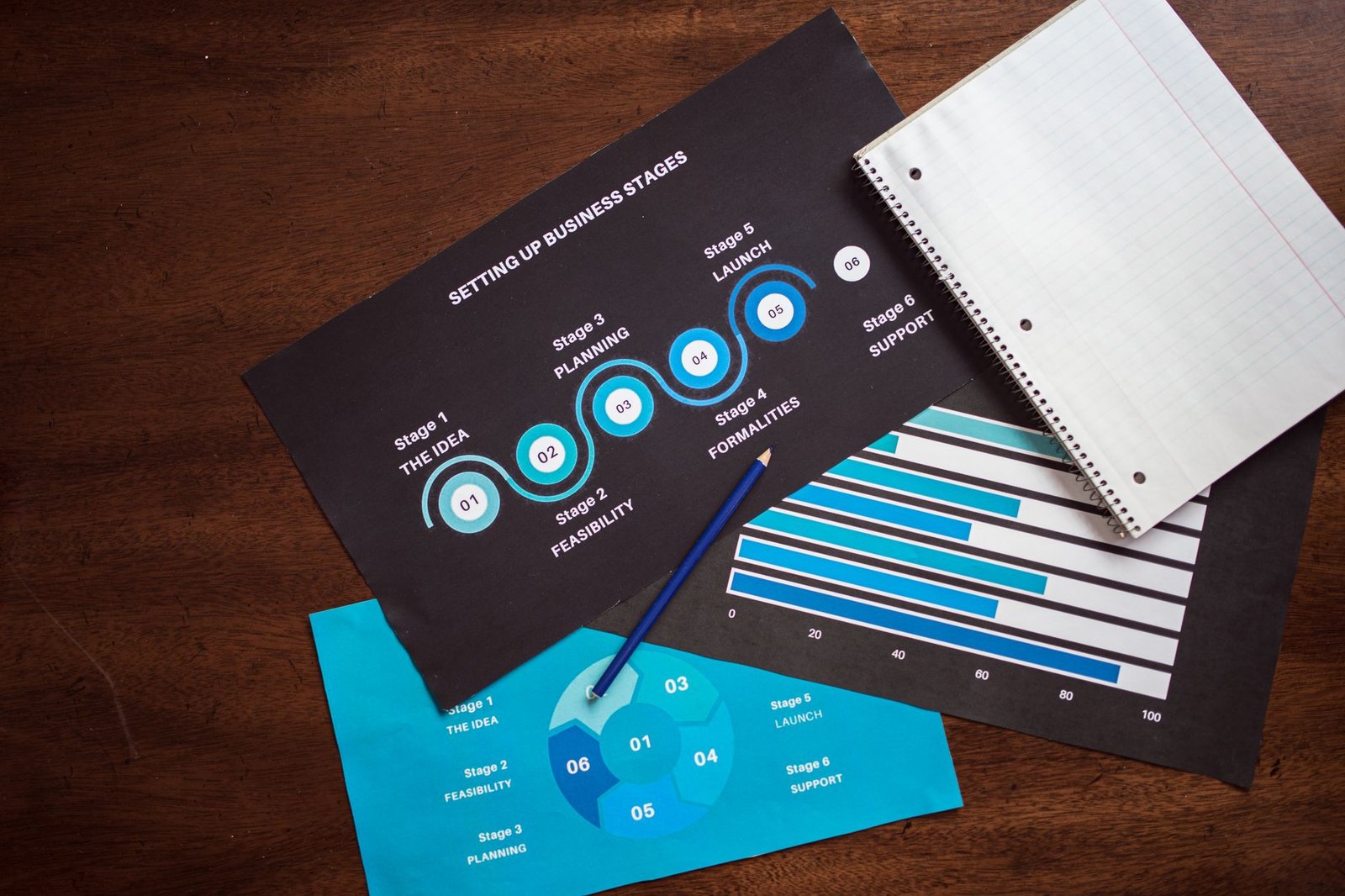
- Step 1: Audit your current AI usage. Make a list of every project where you or your team use Claude. Note the type of content, the client, and whether you edit it heavily. This gives you a clear picture of your exposure. Most Indian teams are surprised to find that 60-70% of their output is lightly edited AI text.
- Step 2: Set a clear internal policy. Decide how much AI use is acceptable for each content type. For example, blog drafts may allow 80% AI with heavy human rewriting, while whitepapers require 50% human input. Write this down and share it with your team.
- Step 3: Build a human editing layer. Bring in a dedicated editor who adds local examples, interviews, data from Indian sources and original viewpoints. This is not just about dodging detection. It makes your content genuinely better. Indian readers can spot generic international content instantly.
- Step 4: Use detection tools responsibly. Run your final drafts through available AI detectors as a quality check, not as a guarantee. Remember that Claude watermarking means Anthropic’s own detector will be the most accurate one for Claude text.
- Step 5: Document everything. Keep records of your prompts, edits and approvals for each piece. If a client ever questions the origin of a piece, you can show your process. This transparency builds long-term trust.
- Step 6: Diversify your AI tools. Do not put all your content on one platform. Compare outputs across Claude, GPT-4 and others. Check our breakdown of GPT-5.2 for business use to see how other models compare for productivity tasks.
Common Mistakes to Avoid
Ignoring the Watermark Altogether
The biggest mistake is assuming the watermark will not affect you. If you run a blog for a Chennai-based business and you publish 20 AI-written posts a month, you are building a liability. Search engines and clients are getting better at spotting AI content. Plan for the worst case. For guidance on protecting your local rankings, read our local SEO guide for Chennai businesses.
Relying on Paraphrasing Tools to Beat Detection
Anthropic has said the watermark is robust against paraphrasing. So using tools like Quillbot or manual rewrites will not reliably remove the pattern. You are wasting time and money. Instead, invest that effort in adding real value through research and original writing.
Using Watermarked Content for Client Deliverables Without Disclosure
If you are an agency, passing off watermarked AI text as human-written is a risk. It only takes one client running a detection scan to lose your contract. Always disclose your use of AI and highlight the human work you add. Clients respect honesty far more than they fear AI.
Panicking and Removing All AI Tools
Some teams may overreact and stop using AI completely. That is a mistake. AI remains one of the most cost-effective ways to produce content at scale. The smart approach is to use AI for research, outlines and first drafts, then apply strong human editing. For a balanced view, see our honest look at whether AI can replace your marketing agency.

Watermarked vs Non-Watermarked AI Tools Comparison
With Claude watermarking now rolling out, you need to compare your options carefully. Here is a practical table showing the current landscape for Indian content teams. Use this to decide whether to stay with Claude or diversify.
| Tool | Watermark Status | Best For | Content Protection Level |
|---|---|---|---|
| Claude (Anthropic) | Yes, invisible cryptographic | Long-form drafting, analysis | High detection accuracy |
| GPT-4 (OpenAI) | Planned, not yet rolled out | Versatile content and chatbots | Medium, not fully enforced |
| Gemini (Google) | Under research | Search-integrated content | Low for now, may change |
| DeepSeek | No known watermark | Korean and English content | Low, but data privacy concerns |
| Mistral | No known watermark | European market focus | Low, growing usage |
| Open-source models (Llama, etc.) | None, fully self-hosted | Full control over outputs | None, but high technical skill needed |
No matter which tool you choose, remember that Google’s quality guidelines favour originality and user value. If you need help balancing AI efficiency with authentic content, talk to our team about our AI digital marketing services. We help Indian businesses create content that ranks and converts.
Not sure which tool fits your business?
Our team at NaviGo Tech Solutions will set it up for you — free 30-minute strategy call.