- Why Google does not notify you before ranking changes and what the March 2026 update means
- The shift from keyword-based content to Information Gain and EEAT requirements
- Why hyper-local SEO is essential for Indian businesses in 2026
- A step-by-step plan to audit and recover your website traffic
What is the Google March 2026 Core Update?
The Google March 2026 Core Update started rolling out globally on Tuesday, March 3, 2026. It is a broad algorithm adjustment designed to improve the relevance and quality of search results. This is not a penalty. It is an upgrade to how Google evaluates which pages to rank higher based on usefulness and credibility.
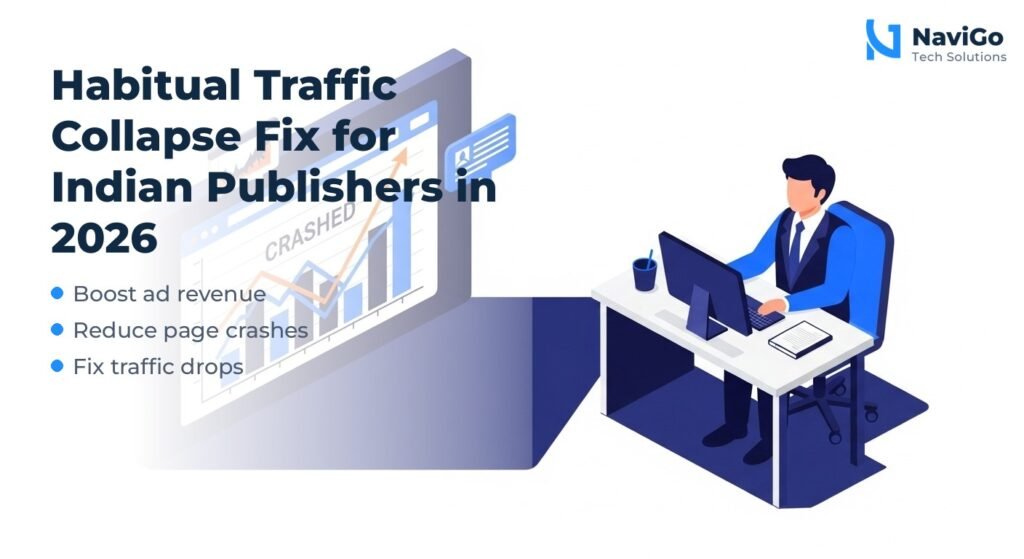
For Indian websites, this update has caused widespread ranking fluctuations. Businesses in finance, health, technology, and local services have reported traffic drops of 30% to 60% in some cases. The core of this update focuses on Information Gain. Google now demotes content that simply rewrites or aggregates existing information. To rank well, your content must offer unique, first-hand evidence or a fresh perspective.
A key example is a local restaurant review blog in Chennai that lost 50% of its traffic because its content was generic and based on information from other blogs. Meanwhile, a similar blog that included original interviews with restaurant owners and photos of dishes saw its traffic increase. The difference was Information Gain.
Indian small business owners must understand that ranking drops after core updates are not permanent. Recovery typically takes 4 to 12 weeks, provided you make the right changes. Panic changes can make things worse.
Why the Demand for Google Notification Matters in India
Lack of Transparency Is Hurting Small Businesses
Many Indian business owners believe that Google must notify before ranking changes in India. Currently, Google does not provide individual notifications when a core update affects your site. This lack of transparency leaves small business owners confused and frustrated. Without a clear reason, many make hasty decisions like deleting pages or changing keywords, which can worsen the situation.
The Rise of Information Gain and EEAT
The 2026 SEO shift demands that content provides unique value. Simply having accurate information is not enough. Your content must show Experience, Expertise, Authoritativeness, and Trustworthiness (EEAT). For example, a personal finance blog in Mumbai that writes about real estate investments should include case studies with actual numbers and expert quotes. Content that lacks this will be demoted.
Hyper-Local SEO Is Now a Necessity
India is not one market. User behaviour differs vastly between cities like Mumbai, Kochi, and Guwahati. Broad national rankings are less valuable than dominating specific neighbourhood clusters. For instance, a bakery in T Nagar, Chennai, should focus on keywords like “best bakery in T Nagar” rather than “best bakery in Chennai”. Regional language content and Hinglish searches are increasing rapidly. Businesses that ignore this trend will lose traffic.
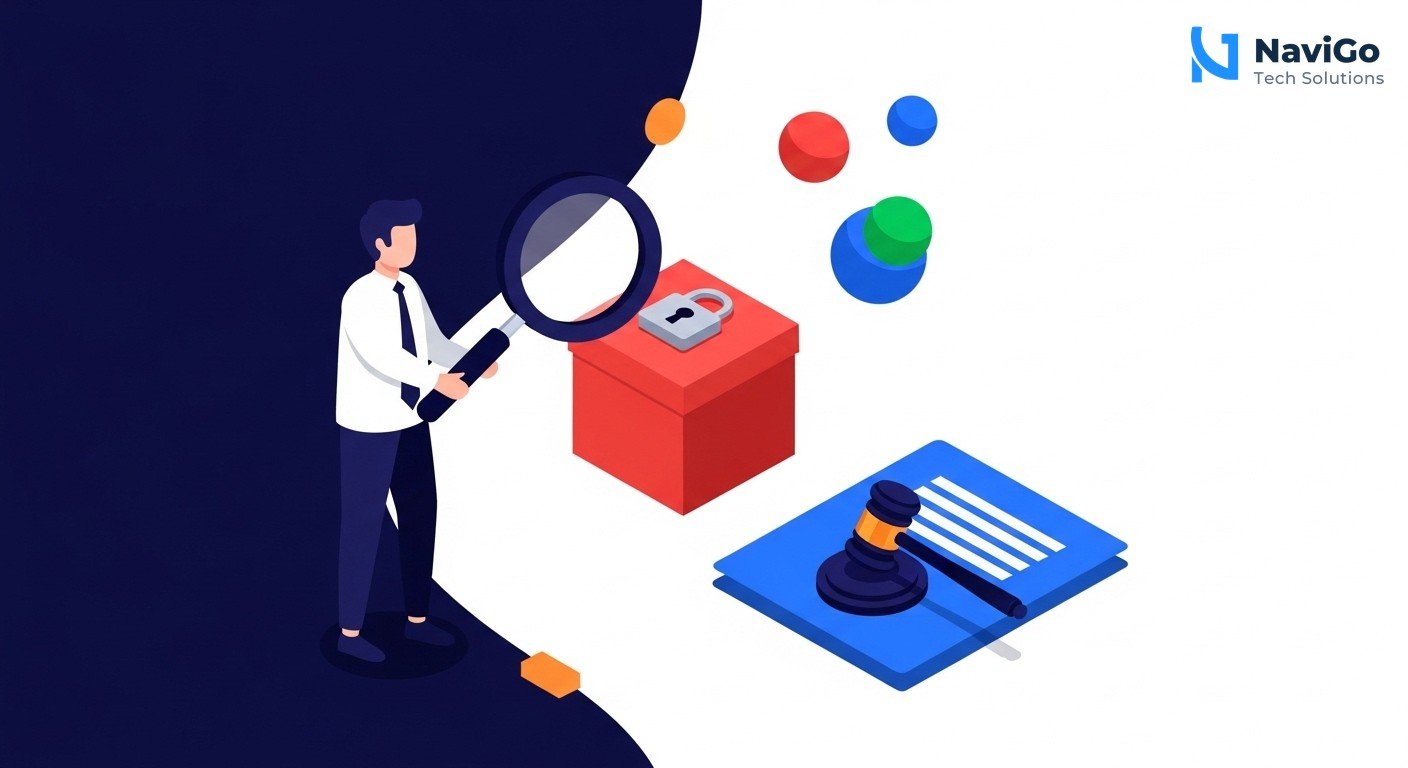
How to Recover from a Ranking Drop: A Step-by-Step Guide
If your website traffic has dropped after the March 2026 Core Update, follow these steps to recover. Do not panic and do not make drastic changes.
- Step 1: Audit Your Existing Content Review your top losing pages. Compare them with high-ranking competitor pages. Look for missing elements: original data, expert quotes, local case studies, and unique insights. Use tools like Google Search Console to identify which queries caused the drop.
- Step 2: Improve User Experience (UX) Ensure your website loads fast on mobile devices. The dominant hardware in India is mid-range Android phones. Verify your LCP (Largest Contentful Paint) is under 2.5 seconds. Compress images to WebP or AVIF format to support varying 4G and 5G network speeds.
- Step 3: Strengthen EEAT Signals Add author bios with credentials, cite expert sources, and include references. For example, a health blog should include doctor names and medical journal citations. A technology blog should include engineer reviews or original research data.
- Step 4: Pivot to User Intent, Not Keywords Shift your focus from exact match keywords to user intent clusters. For example, instead of “best digital marketing agency Chennai”, write content that answers “how to choose a digital marketing agency in Chennai for startups”. This matches user intent better.
- Step 5: Monitor and Wait After making changes, give the algorithm time to re-evaluate your content. Recovery typically takes 4 to 12 weeks. Track your rankings weekly but avoid checking daily to reduce stress.
Common Mistakes Indian Website Owners Make After a Ranking Drop
Mistake 1: Making Drastic Changes Immediately
Ranking drops do not always mean a penalty. Sometimes the algorithm simply found other pages more relevant. If you rush to delete pages, change headlines, or abandon your domain, you could lose all your existing authority. Instead, wait for 2 weeks and do a careful audit. For professional help, see our SEO Optimization services.
Mistake 2: Creating High Volumes of AI Content Without Human Editing
Many Indian businesses are using large language models (LLMs) to generate content quickly. But content produced without human editing can trigger a Helpful Content penalty. Google can detect content that lacks genuine insight. Always have a subject matter expert review and add unique perspectives before publishing.
Mistake 3: Ignoring Hyper-Local Opportunities
Treating the entire Indian market as one audience is a common mistake. User behaviour in Delhi is very different from user behaviour in Coimbatore or Guwahati. Businesses that fail to create hyper-local content lose to competitors who do. For example, a gym in Chennai should write about “best gyms in Velachery for weight loss” rather than a generic “best gyms in India”.
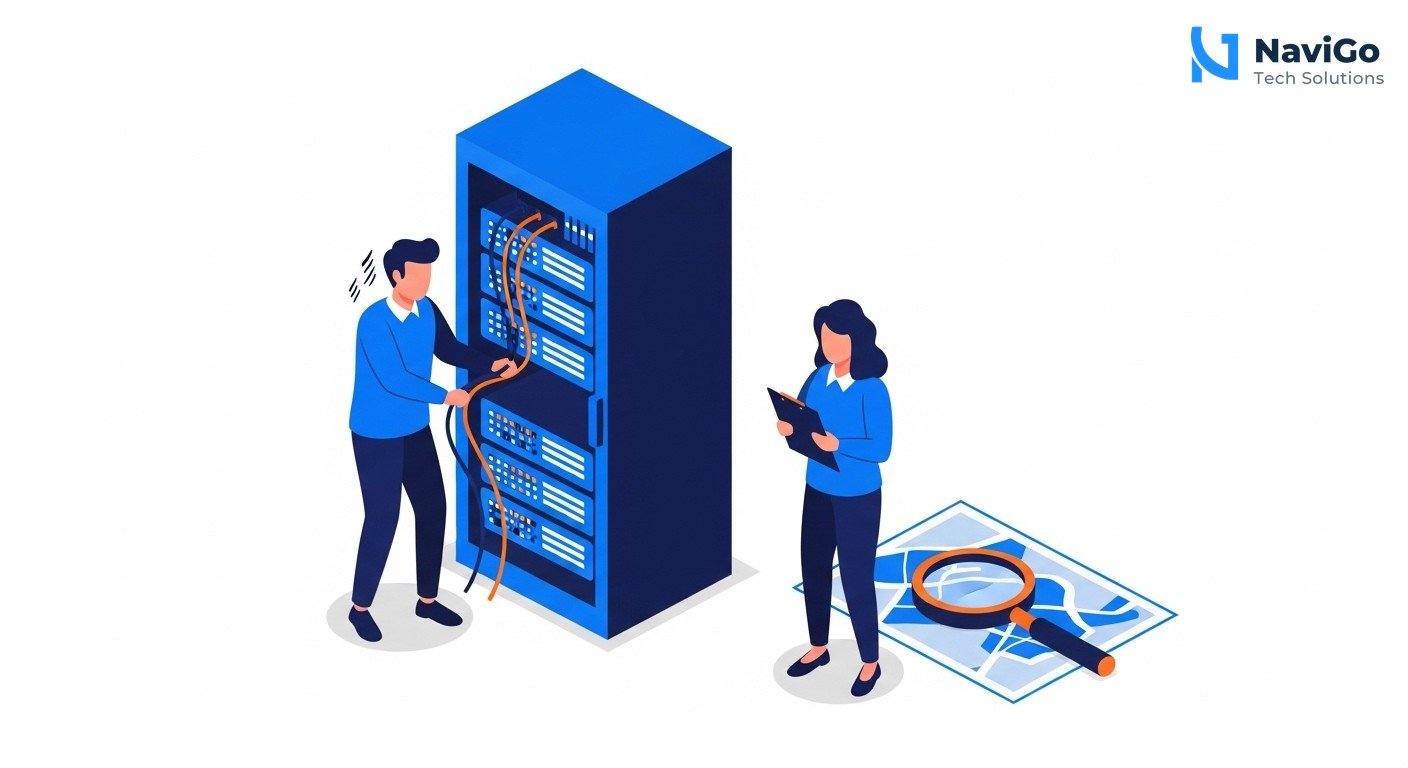
Comparison: Old SEO vs New SEO in 2026
The shift in Google’s ranking criteria is dramatic. Here is a comparison between how SEO worked before and how it works now after the March 2026 Core Update.
| Aspect | Old SEO (Pre-2026) | New SEO (2026 and Beyond) | Why It Matters for Indian Businesses |
|---|---|---|---|
| Content Goal | Comprehensive coverage | Unique Information Gain | Your content must offer something new, not just rewrite others |
| Keyword Strategy | Exact match and volume | User intent and semantic clusters | Focus on what users actually need to know, not search volume |
| Backlinks | Quantity matters | Quality from Indian sources | One link from a recognised Indian industry body is better than 50 generic links |
| Local SEO | City-level targeting | Neighbourhood and hyper-local | Dominate T Nagar before targeting all of Chennai |
| Content Format | Long-form text articles | Multimedia, structured data, EEAT signals | Use videos, images, and author bios to build trust |
| Recovery Time | Weeks to months | 4 to 12 weeks with proper fixes | Be patient and systematic in your response |
Understanding this comparison helps you make better decisions for your website. If you need expert help to navigate these changes, check out our AI Digital Marketing services tailored for Indian businesses.
Not sure which tool fits your business?
Our team at NaviGo Tech Solutions will set it up for you — free 30-minute strategy call.