Google AI Ads Rebrand: What Indian Marketers Gain in 2026
Google has quietly changed how its advertising products are named, positioned and sold. The Google AI ads rebrand is not just a cosmetic change. It signals a shift in how ads are created, targeted and measured, and Indian marketers need to pay attention.
This guide covers:
- What the Google AI ads rebrand actually means
- How AI buying agents change your campaign strategy
- Practical steps to update your PPC approach today
- Common mistakes to avoid with AI-driven campaigns
- A clear comparison of old vs new ad products
Let us break down what changes for your business and what stays the same, with practical advice for Indian small business owners.
- The Google AI ads rebrand changes how campaigns are structured, not just renamed.
- AI shopping agents will influence bidding and placement more than manual settings.
- Small Indian businesses can compete with bigger brands using AI-driven automation.
- Transparency in ad reporting is improving, but you still need to oversee budgets.
What Is the Google AI Ads Rebrand?
In early 2026, Google started folding its advertising tools under a unified Google AI ads umbrella. This is not a rumour or a speculative blog post. Platforms like exchange4media and BW Marketing World have confirmed that Google is repositioning its ad products around AI-first workflows. The core idea is simple: Google now assumes that most campaign decisions, from keyword matching to bid adjustments, will be handled by machine learning systems rather than manual inputs.
For Indian marketers, this means the days of fiddling with exact match keywords and manual bid multipliers are numbered. Google is steering everyone toward what it calls AI-powered campaigns, where you provide the goal, the budget and the creative assets, and the system handles the rest. Performance Max campaigns are the clearest example, but the rebrand extends to search, display and even video ads.
The practical effect is that your control shifts from micro-management to macro-direction. You set targets like cost per lead or return on ad spend, and Google decides where to show your ads. This is a big change for businesses in Chennai, Mumbai or Delhi that are used to tightly controlling every rupee.
Understanding this shift early gives you an advantage. Businesses that adapt their strategy now will find it easier to scale as Google pushes more automation. Those who resist will see costs rise as manual tactics become less effective. For a deeper look at how AI is reshaping the broader marketing landscape, our guide on how Google Gemini changes Indian marketing is a useful companion read.
Why This Matters for Indian Marketers
AI Agents Are Now the Customers
The biggest reason the Google AI ads rebrand matters is that AI agents are beginning to shop on behalf of humans. When a user asks a chatbot to find a plumber in Chennai or a boutique hotel in Goa, the AI may browse the web, evaluate ads and make a recommendation without the user ever clicking a traditional ad. Google is preparing for this world by making its ads machine-readable and AI-friendly. If your ad content is clear, structured and value-driven, AI agents will recommend you. If your ads are vague, generic or keyword-stuffed, you will disappear from AI-generated recommendations.
Smaller Budgets Can Compete Better
Historically, big brands won because they could afford aggressive bidding. With AI-driven campaign management, Google can optimise small budgets more effectively. A boutique business in Chennai with a daily budget of Rs 1,000 can now compete in auctions that previously favoured large spenders. The AI finds cheaper placements, adjusts bids in real time and learns what works faster than any human team could. This levels the playing field for Indian small business owners.
Creative Quality Becomes a Ranking Factor
Google’s AI needs good creative material to work with. If you give it five headlines and one image, it will show those everywhere and performance will plateau. If you give it fifteen headlines, multiple images and several call-to-action options, the system can test combinations and find the winners. The rebrand effectively makes creative depth a performance factor. Marketers who treat ad creative as an afterthought will see diminishing returns, while those who invest in varied assets will flourish.
Reporting Gets More Transparent
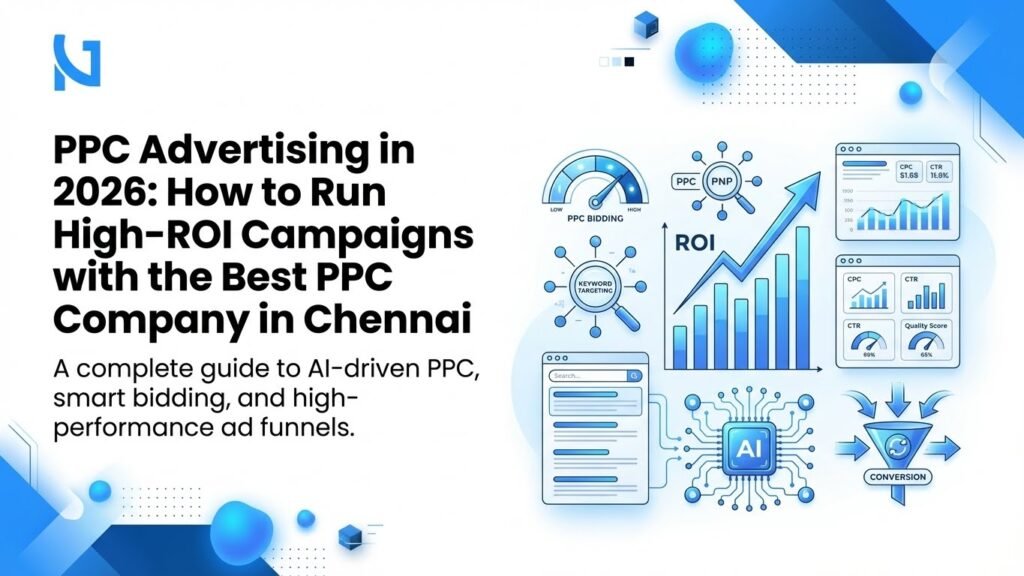
One fear with AI-driven ads is that you lose visibility into your spend. Google is addressing this with clearer reporting dashboards that show where AI placed your ads, what it learned and how it adjusted bids. Indian marketers can now audit AI decisions more easily, which builds trust in automated systems. You still need to check reports weekly, but the black box is opening up. For a practical guide to running high-ROI campaigns with these new tools, read our PPC advertising guide for 2026.
How to Update Your Ad Strategy Step by Step
Step 1: Reframe Your Account Structure
Stop organising campaigns by device, match type or minor product variations. Under the Google AI ads rebrand, account structure should follow business goals. Create separate campaigns for brand awareness, lead generation and sales. Give each campaign enough budget and conversion data so the AI can learn quickly. Consolidation is your friend.
Step 2: Switch to Conversion-Based Bidding
If you are still bidding for clicks, you are wasting money. Move to target cost per acquisition or target return on ad spend. These bidding strategies let Google’s AI optimise for what actually matters, which is sales or leads, not just visits. Start with a target CPA slightly higher than your current average, then lower it as the AI learns.
Step 3: Build a Library of Creative Assets
Give the AI more to work with. Produce at least 10 headlines, 5 descriptions, 3 images and 2 videos for every product or service you promote. Use local references like “Chennai delivery” or “Mumbai showroom” to help the AI match your ads to relevant searches. The richer your asset library, the better the system performs.
Step 4: Feed the AI With First-Party Data
Use customer lists, website visitors and past purchasers to build remarketing audiences. Connect your CRM or Google tag to the ad platform. The AI uses this data to find lookalike users who resemble your best customers. Indian businesses with WhatsApp numbers or email lists have an advantage here because this data can be imported directly.
Step 5: Monitor Weekly and Adjust Monthly
Set a weekly routine to review performance. Check cost per conversion, conversion rate and impression share. Resist the urge to change campaign settings daily. Let the AI run for at least two weeks before making major adjustments. Monthly, review your creative and refresh any assets that perform poorly.
Common Mistakes to Avoid
Mistake 1: Keeping Dormant Keywords
Many Indian marketers refuse to delete old keywords because they think more keywords equal more traffic. In the AI ads era, this approach backfires. Google’s system gets confused by irrelevant keywords that drain budget without converting. Audit your search terms report every month and remove anything that is not generating value. Focus on a lean list of high-intent keywords.
Mistake 2: Ignoring Negative Keywords
Negative keywords are even more important now because AI can match broadly. If you sell luxury furniture in Bengaluru, you do not want your ads showing for “cheap plastic chairs”. Build a solid negative keyword list that includes your product names with “free”, “second hand” and “repair”. Review this list monthly as search behaviour changes.
Mistake 3: Overloading Campaigns With Too Many Goals
One campaign should do one job. If a single campaign tries to generate calls, form fills and online sales, the AI cannot optimise effectively. Separate your goals into distinct campaigns. Use Google Ads conversions to track each action. This clarity helps the AI learn faster and perform better.
Mistake 4: Forgetting About Customer Lifetime Value
With the rebrand, Google encourages marketers to think beyond the first sale. If a customer brings you Rs 10,000 over a year, spending Rs 1,000 to acquire them is worth it. Configure your conversion tracking to include repeat purchase data. Use this information to set realistic bids and targets. If you need help implementing this, the AI Ads & Automation services from NaviGo Tech Solutions can set this up for you.
Old vs New Google Ads Products Compared
To make the Google AI ads rebrand more tangible, here is a direct comparison of how traditional Google Ads offerings have evolved. This table shows what you used to manage manually and what the AI now handles for you.
| Feature | Traditional Google Ads | Google AI Ads | What This Means for You |
|---|---|---|---|
| Keyword Matching | Manual exact, phrase, broad | AI-driven semantic matching | Fewer keywords needed, more relevance |
| Bid Management | Manual CPC adjustments | Target ROAS and tCPA | Hands-off optimisation, better returns |
| Targeting | Location, device, time | AI predicts high-intent moments | Reach users when they are ready to buy |
| Creative Testing | Manual A/B tests | Automated asset testing | Faster learning with more assets |
| Reporting | Click-through rate focus | Conversion value focus | Measure revenue, not just clicks |
| Audience Targeting | Manual demographics | AI lookalike audiences | Scale beyond your current customers |
The direction is clear: Google wants you to focus on outcomes, not mechanics. If you are still running campaigns the old way, your costs are likely rising while your results stagnate. The smart move is to embrace the rebrand, restructure your campaigns and let the AI do the heavy lifting. A strong SEO foundation still supports your paid efforts, because organic visibility and paid ads work together. When both are aligned, your brand dominates the search results page.
Not sure which tool fits your business?
Our team at NaviGo Tech Solutions will set it up for you — free 30-minute strategy call.
Frequently Asked Questions
Is the Google AI ads rebrand just a name change?
Will my ad costs increase with AI bidding?
How much creative do I need for AI ads?
Can small Indian businesses benefit from AI ads?
Stop managing ads the old way. Embrace the Google AI ads rebrand, improve your campaigns and grow your business with fewer headaches and better returns.