- How Google is training 2 lakh teachers in Chhattisgarh and other states
- Which tools Indian educators can use right now for free
- How to align AI use with India’s National Education Policy 2020
- Practical steps to avoid pitfalls when introducing AI in classrooms
What Is the Google AI Classroom Initiative?
The Google AI classroom initiative is a nationwide programme launched in May 2026 to expand AI literacy, tools, and training across India’s education ecosystem. Announced at the Education World Forum 2026 in London, it aims to help teachers and students use AI responsibly and effectively.
Google is working directly with state governments. For example, Chhattisgarh will train 2 lakh teachers. Other states like Maharashtra, Assam, and the Union Territory of Ladakh, along with the Punjab School Education Board, are also part of this effort. The programme includes a mobile-first training series called the Google AI Educator Series, currently available in six languages: Assamese, Hindi, Marathi, Telugu, Odia, and Punjabi.
The initiative aligns with India’s National Education Policy (NEP) 2020, which emphasises technology integration in education. Google has also partnered with the Ministry of Skill Development and Entrepreneurship and Chaudhary Charan Singh University in Meerut to build India’s first AI-enabled state university. This is not just about tools. It is about changing how teachers teach and students learn.
Nearly three out of four Indians believe AI can improve student outcomes. With over three million learning outputs generated on NotebookLM by Indian users in the last month alone, adoption is already happening. For educators who want to stay relevant, understanding this initiative is no longer optional. For practical tips on how AI is reshaping the digital landscape, see our guide on Google AI Updates 2026.
Why This Initiative Matters for Indian Educators
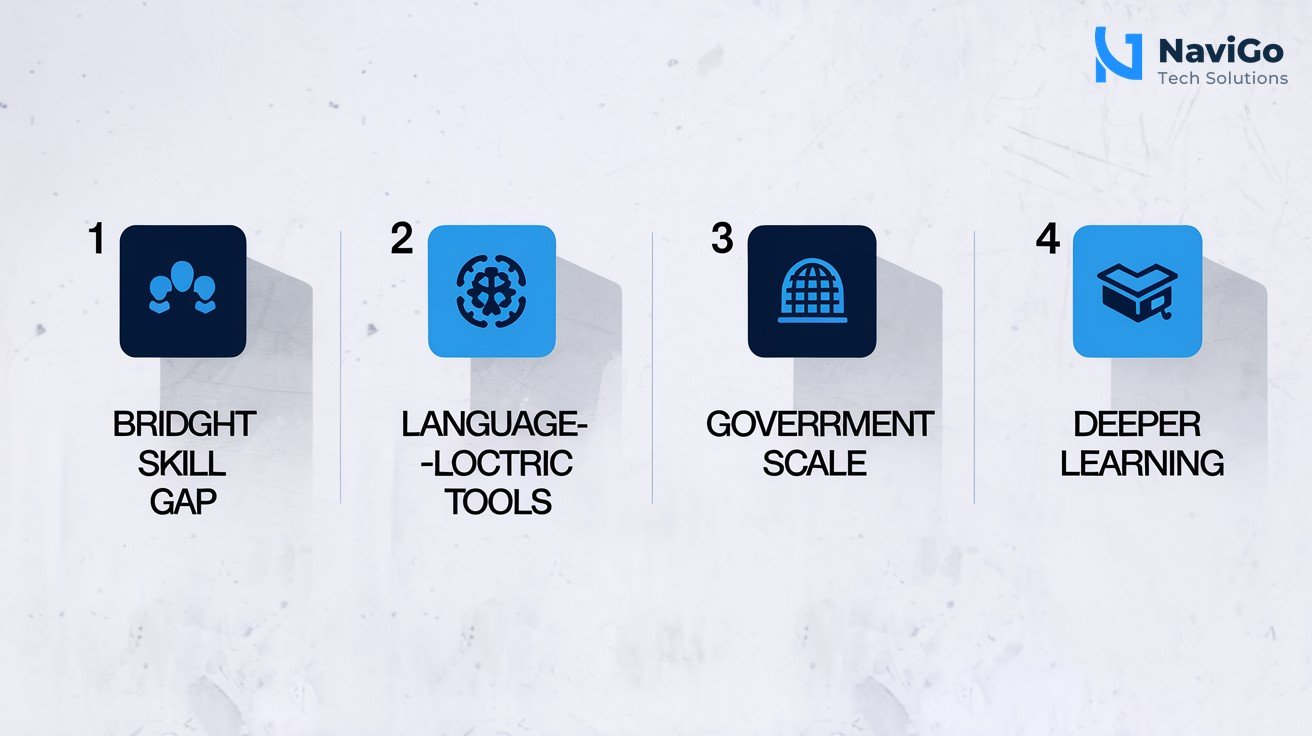
Addressing the Skill Gap in AI Literacy
India has one of the largest education systems in the world. Yet most teachers have no formal training in AI. The Google AI classroom initiative directly addresses this by offering structured, mobile-first training. Teachers in Chhattisgarh, Assam, and other states can upskill without leaving their classrooms. This is critical because AI is already changing how students access information. If teachers do not understand AI, they cannot guide students effectively.
Free Tools That Work in Indian Languages
One major barrier to technology adoption in Indian schools is language. Google has localised the training in six major Indian languages. Tools like Gemini now support Indian languages for learning tasks. For instance, a Hindi-medium teacher in a rural school can use Gemini to create quizzes and lesson plans in Hindi. The recent integration of JEE Main practice tests within Gemini, developed with PhysicsWallah and Careers360, shows how AI is becoming exam-ready for Indian students.
Scalable Impact Through Government Collaboration
Google’s partnership with state governments means the reach is massive. The training is not limited to private schools. Government school teachers in hundreds of districts will get access. A grant of ₹85 crore from Google.org to Wadhwani AI aims to scale adaptive learning tools for up to 75 million students and 1.8 million educators by 2027. This scale is unmatched by any private edtech initiative in India.
Improving Learning Outcomes, Not Just Speed
A study with City Montessori School in Lucknow and Fab AI showed that students focused on building understanding in nearly three out of four AI interactions. That means AI is not just making learning faster. It is making it deeper. For educators, this is the real promise. When used correctly, AI helps students move beyond rote memorisation to genuine comprehension. This aligns perfectly with NEP 2020’s focus on critical thinking.
For small business owners running edtech startups or coaching centres in Chennai, these trends are directly relevant. Consider reading our Digital Marketing Agency in Chennai 2026 Guide to see how AI is transforming customer acquisition in education.
Step-by-Step Guide to Adopting Google AI in Your Classroom
Here is a practical, numbered framework for Indian educators who want to start using Google AI tools tomorrow.
- Step 1: Enrol in the Google AI Educator Series. Visit the official Google for Education portal and sign up for the free training. It is mobile-first and designed for teachers with no prior AI experience. Currently available in six Indian languages. If you are in Maharashtra, Chhattisgarh, Assam, Ladakh, or Punjab, you may get priority access through your state partnership.
- Step 2: Set up and explore Gemini for Education. Activate Gemini in your Google Workspace for Education account. Start by using the JEE Main practice tests feature to see how AI can personalise problem-solving. Then create simple lesson plans by asking Gemini to generate summaries of textbook chapters in your preferred Indian language.
- Step 3: Use NotebookLM for lesson design. NotebookLM is a Google tool that lets you upload lecture notes, PDFs, or even YouTube transcripts. It then generates quizzes, flashcards, and study guides automatically. Indian users have already created over three million such outputs. Use it once a week to redesign one lesson.
- Step 4: Integrate AI into Google Classroom. Google Classroom will soon add audio and video feedback tools powered by Gemini. Start using these to give personalised comments to students. You can also automate routine tasks like attendance tracking using Workspace Studio workflows.
- Step 5: Monitor and verify AI use. Google is developing transparency tools that let you see whether content has been generated or edited by AI. Familiarise yourself with these tools early. This will help you maintain academic integrity while still benefiting from AI speed.
- Step 6: Seek institutional support. If you are part of a school or university, talk to your administration about enrolling in the Google AI Educator Series as a group. Many institutions, like the new AI-first campus of Stride School of Business, are building entire curricula around AI. Being an early adopter positions you for leadership roles.
Common Mistakes to Avoid with AI in Education
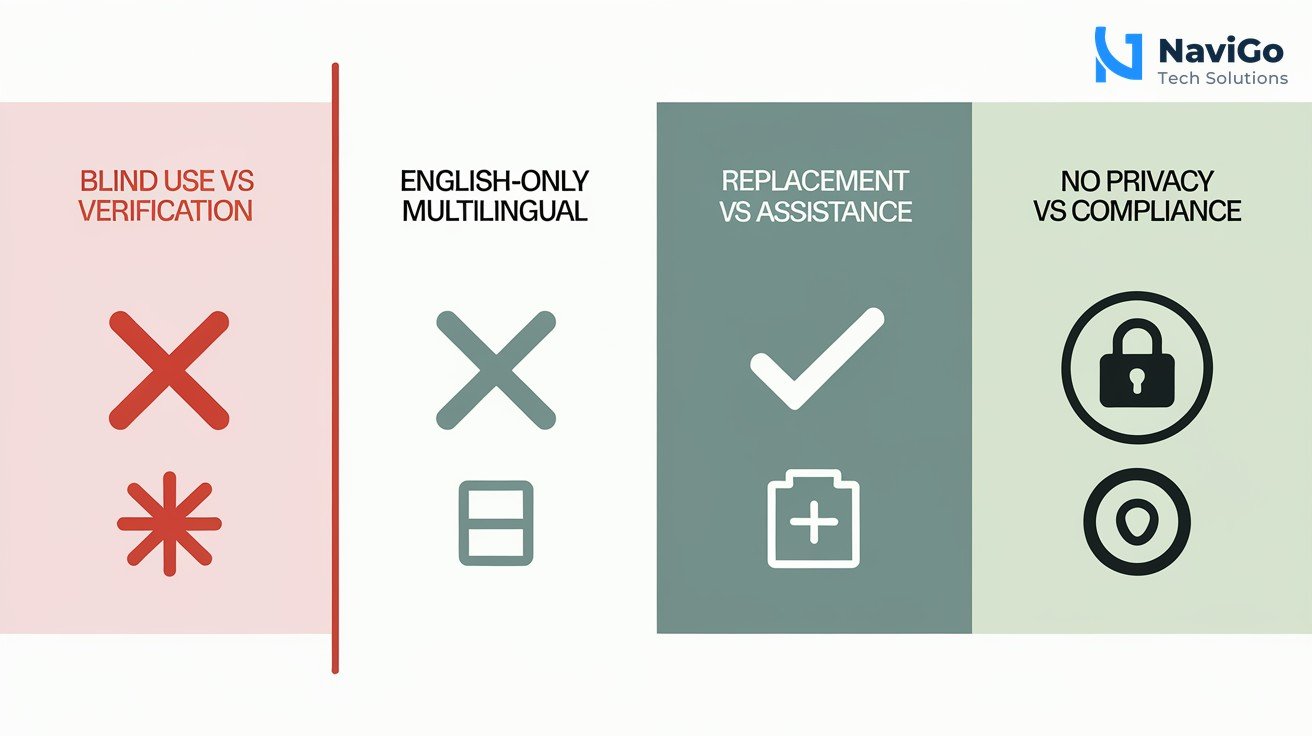
Mistake 1: Using AI Without Understanding Its Limits
Some teachers ask students to use Gemini or ChatGPT without explaining that AI can produce incorrect information. Always verify outputs. Teach students to cross-check facts with textbooks or trusted websites. For example, if Gemini generates a history timeline, confirm the dates. Blind trust undermines learning. A better approach is to make verification part of the assignment. For tips on responsible AI use in business contexts, read our post on Indian Businesses Guide To Tracking Presence In Ai Search.
Mistake 2: Ignoring Language Barriers
Even though Google has localised training, many teachers still assume AI tools work best only in English. This is a mistake. Hindi, Marathi, Telugu, and other languages are now well supported in Gemini. A teacher in rural Maharashtra should use AI in Marathi, not struggle with English. The adoption of AI in India is being driven by multilingual support. Ignoring this limits the tool’s effectiveness.
Mistake 3: Using AI as a Replacement for Teaching
AI should assist, not replace, the teacher. Some educators assign entire lessons to AI chatbots and then step back. This reduces student-teacher interaction, which is essential for developing critical thinking. Instead, use AI to create a rough lesson draft, then personalise it with your own examples and live discussions. The goal is guided learning, not automated teaching.
Mistake 4: Neglecting Data Privacy and Ethics
When students use AI tools, their data is processed on cloud servers. Indian schools must ensure compliance with the Digital Personal Data Protection Act. Do not upload student personal details like Aadhaar numbers or home addresses into any AI tool. Use school-managed accounts with restricted settings. Google Classroom’s new transparency tools will help, but educators must also train students on ethical AI use.
Comparison: Google AI Initiative vs Other AI Learning Programmes
Several organisations offer AI training for educators in India. Here is how the Google AI classroom initiative compares with alternatives like the CBSE AI curriculum and private edtech programmes. The table focuses on reach, cost, language support, and integration with existing tools.
| Programme | Reach (Estimated) | Cost to Educator | Language Support | Classroom Integration |
|---|---|---|---|---|
| Google AI Educator Series | 2 lakh+ teachers in 5 states | Free | 6 Indian languages | Direct with Gemini, Classroom, NotebookLM |
| CBSE AI Curriculum (Classes 8-12) | All CBSE schools (25,000+) | Free resources | English, Hindi | Standalone subject, not tool-integrated |
| Wadhwani AI (Google.org grant) | Up to 75 million students by 2027 | Free to schools | Multiple languages | Adaptive learning platforms |
| Private Edtech (PhysicsWallah, Careers360) | Millions of paid users | Paid courses | English, Hindi | Exam prep focused |
| NEP 2020 Digital Initiatives | National scale | Free | All scheduled languages | Frameworks, not specific tools |
The Google initiative stands out for being free, state-partnered, and integrated with tools teachers already use. Its mobile-first design makes it accessible in semi-urban and rural areas. For entrepreneurs in the education sector, this is a signal to align your services with Google’s ecosystem. If you run a coaching centre in Chennai, our guide on Local SEO Guide Chennai can help you attract more students by optimising for AI-powered search.
Not sure which tool fits your business?
Our team at NaviGo Tech Solutions will set it up for you — free 30-minute strategy call.