- NVIDIA Omniverse lets you build realistic 3D simulations for training AI robots and systems.
- NVIDIA Cosmos provides world foundation models that generate physics-accurate video and actions.
- Indian firms like TCS have already launched labs using NVIDIA’s stack for industrial AI prototyping.
- You can start with free tools and cloud services without buying expensive GPUs upfront.
What Is NVIDIA Physical AI Simulation?
Physical AI refers to artificial intelligence systems that operate in the real world. These include robots, autonomous vehicles, drones, and smart factory equipment. Unlike chatbots or image generators, physical AI must understand physics, motion, and sensor data.
NVIDIA Omniverse is a platform for building simulation-ready 3D worlds. It uses OpenUSD to let you create digital twins of factories, warehouses, or even entire cities. Inside these virtual worlds, you can train AI agents using realistic physics (via NVIDIA PhysX), ray-traced rendering, and sensor simulation. This means you can test a robot picking parts on a conveyor belt without buying a single robot arm.
NVIDIA Cosmos is a newer platform that provides world foundation models. These models can generate physics-grounded videos, reason about visual scenes, and even plan actions. Cosmos 3 is the first omni-model that combines vision, reasoning, and action generation. It helps you scale synthetic data creation and build policy models for robot learning.
Together, Omniverse and Cosmos give Indian firms a complete toolkit to design, train, validate, and deploy physical AI systems. The best part? You do not need supercomputers. NVIDIA runs these tools on cloud services and even on RTX PRO GPUs that fit in a workstation.
Why Indian Firms Need Physical AI Simulation Now
India’s $134 Billion Manufacturing Boom Demands Smarter Testing
India is investing $134 billion in new manufacturing capacity across construction, automotive, renewable energy, and robotics. Building physical prototypes for every new production line is slow and expensive. Physical AI simulation lets you run thousands of tests in a virtual factory before spending on concrete and steel. This reduces risk and speeds up time to market.
Indian Tech Leaders Like TCS Are Already Adopting
Tata Consultancy Services (TCS) recently launched an Industrial AI Solutions Lab in Bengaluru powered by NVIDIA. This lab uses Omniverse and Cosmos to prototype autonomous systems for manufacturing. TCS is also building an NVIDIA-powered Autonomous Engineering Lab for industrial AI. If a company of TCS’s scale is investing here, smaller firms should pay attention. The tools are becoming accessible to everyone through cloud services.
Robotics and Automation Are Going Mainstream in India
From robo-BPOs to warehouse robots, Indian businesses are adopting automation faster than ever. But deploying robots in real factories without simulation leads to costly errors. Simulation allows you to train a robot to handle thousands of edge cases like picking a wet box or avoiding a fallen object. This is where NVIDIA’s simulation shines.
Global Partnerships Are Creating a Ready Ecosystem
NVIDIA has partnered with Japan’s manufacturing leaders, LG Group in Korea, and Doosan Group to build physical AI infrastructure. These global collaborations mean the tools and frameworks are mature. Indian firms do not need to invent the wheel. They can plug into an ecosystem that already works with the world’s best manufacturers.
For a deeper look at how AI is changing the Indian business landscape, read our guide on Google AI Updates 2026.
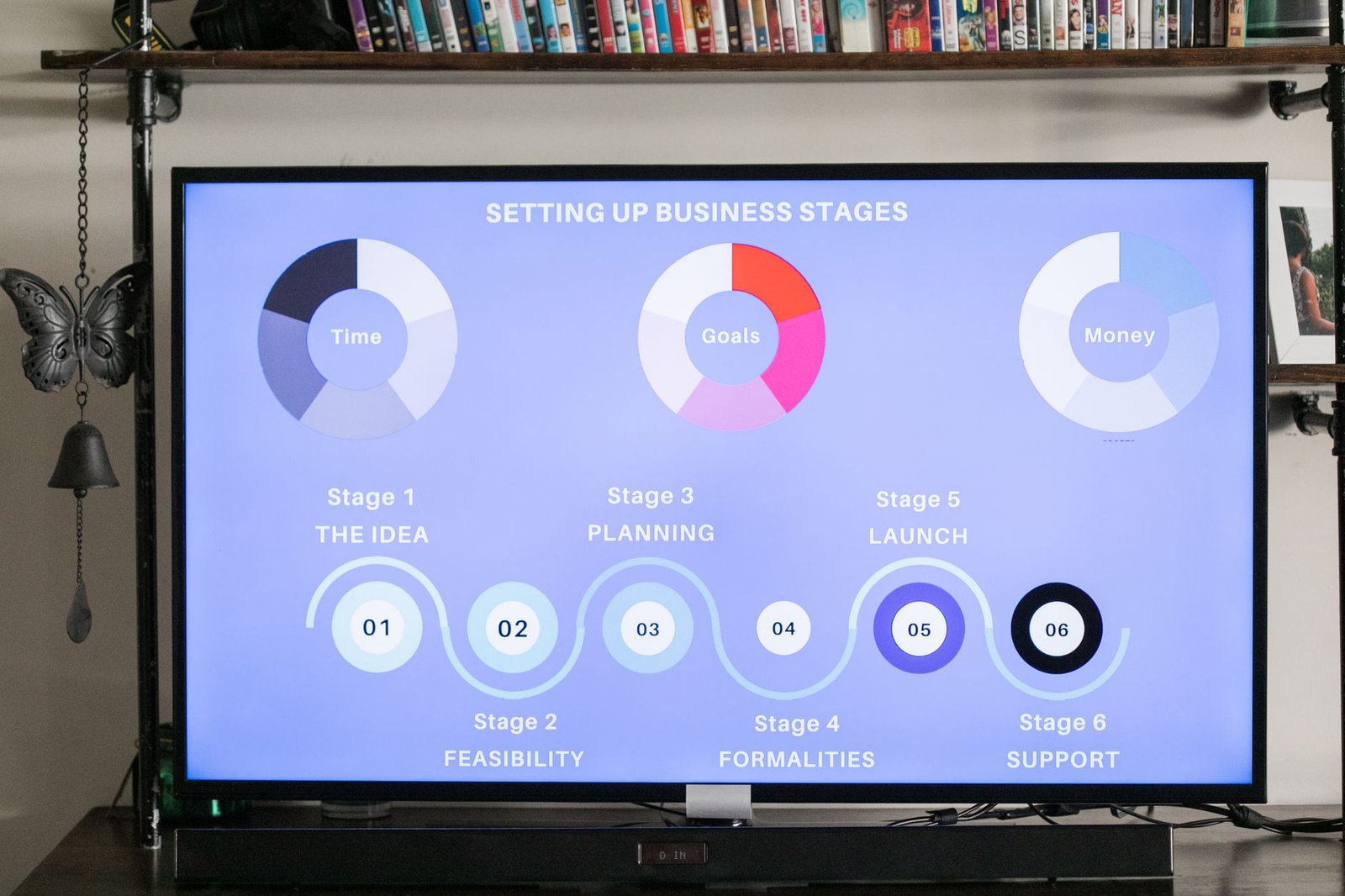
How to Adopt NVIDIA Physical AI Simulation: A 5-Step Guide
You do not need a team of PhDs to start. Here is a practical plan to adopt NVIDIA physical AI simulation for your Indian business.
- Step 1: Sign up for NVIDIA Omniverse Enterprise or Individual. Start with the free Omniverse Individual licence. It gives you access to all core tools like USD Composer, Simulation Viewer, and Nucleus. Download it from NVIDIA’s website and explore the sample scenes.
- Step 2: Create a digital twin of your factory or warehouse. Use OpenUSD to import your existing 3D models from CAD software like SolidWorks or AutoCAD. If you do not have models, use Omniverse’s built-in asset library or pay a freelancer to create a simple twin.
- Step 3: Train your AI agent inside the simulation. Use NVIDIA Isaac Sim (built on Omniverse) to program a robot arm or mobile robot. Isaac Sim supports reinforcement learning, so your robot can learn by trial and error in the virtual world.
- Step 4: Use Cosmos to generate synthetic data. If your robot needs to recognise objects, use Cosmos to generate labelled videos of those objects in different lighting, angles, and backgrounds. This data can train vision models without manual labelling.
- Step 5: Test and validate before real deployment. Run 10,000 simulation hours to check for failures. Fix issues in the virtual world. Then deploy your trained model to the physical robot with confidence.
Need help setting this up? Our team at NaviGo Tech Solutions can guide you through AI Strategy Consulting to plan your simulation roadmap.
Common Mistakes Indian Firms Make with AI Simulation
Mistake 1: Thinking Simulation Replaces All Real-World Testing
Simulation is not a substitute for real-world testing. It reduces the volume of physical tests but cannot eliminate them. Always run a small set of physical trials after simulation validation. This catches sim-to-real gaps like friction or sensor noise that models miss.
Mistake 2: Skipping Data Preparation
Many firms jump straight to simulation without cleaning their existing data. If your digital twin does not match the real layout, your simulation results will be useless. Spend time auditing your floor plan, equipment dimensions, and material properties before building the twin.
Mistake 3: Underestimating Compute Requirements
While NVIDIA offers cloud options, large-scale simulation still needs decent GPUs. Do not buy the cheapest graphics card. At minimum, use an RTX 4000 series or rent cloud GPU instances from providers like AWS or Azure. Budget for compute from the start.
Mistake 4: Ignoring the Human Element
Physical AI works alongside people. Indian factories often have workers doing manual tasks that are hard to simulate. Include human-robot interaction scenarios in your simulation. Test how your robot responds to a worker stepping into its path.
For more insights on common digital pitfalls, check out our article on Biggest Digital Marketing Mistakes Indian Business Owners Keep Making in 2026.
NVIDIA Omniverse vs Cosmos vs Other Platforms: Quick Comparison
Choosing the right simulation platform depends on your use case. Here is a comparison of the major options available today for Indian firms.
| Platform | Primary Use | Best For | Cost to Start |
|---|---|---|---|
| NVIDIA Omniverse | Building 3D digital twins & robot simulation | Manufacturing, robotics, autonomous vehicles | Free Individual licence |
| NVIDIA Cosmos | World foundation models & synthetic data generation | Vision AI, robot learning, video generation | Free tiers with cloud compute |
| Siemens Teamcenter Digital Twin | Product lifecycle digital twins | Large enterprises, complex engineering | Subscription based |
| Microsoft Azure Digital Twins | IoT-enabled digital twins | Smart factories, supply chain monitoring | Pay as you go |
| Amazon AWS IoT TwinMaker | Cloud-based digital twin builder | AWS users, easy integration | Pay as you go |
For most Indian small and medium businesses, starting with NVIDIA Omniverse is the most cost-effective path. It gives you world-class physics and rendering without upfront enterprise contracts. As your needs grow, you can layer Cosmos for advanced data generation. If you are in automotive or heavy engineering, explore Siemens Teamcenter for deeper integration. For a tailored recommendation, contact NaviGo Tech Solutions for a consultation.
Not sure which tool fits your business?
Our team at NaviGo Tech Solutions will set it up for you — free 30-minute strategy call.