- The difference between AI coding agents and older code assistants
- Why 2026 is the year of autonomous development
- A curated list of 20 tools with real-world applications
- How to pick the right agent for your team and budget
What Are AI Coding Agents and Autonomous Systems?

An AI coding agent is a software program that can write, review, test, and deploy code with little or no human input. Unlike earlier code completion tools that only suggested the next line, these agents understand entire projects, fix bugs, refactor code, and even create entire applications from a simple prompt.
Autonomous systems take this further. They can manage tasks like running tests, deploying updates, monitoring performance, and rolling back changes if something goes wrong. For a small business in Chennai, this means you can launch a website, build a mobile app, or automate internal workflows without hiring a full-time developer.
Think of it like having a junior developer who works 24 hours a day, never takes a break, and consistently improves their skills. The best part? Many of these tools are open source or have free tiers, making them accessible to even the smallest teams.
According to research from early 2026, over 50 open source AI agents are now available, and enterprise builders are adopting them faster than ever. The shift from generative AI to truly autonomous enterprises is already happening.
Why AI Coding Agents Matter in 2026

1. Faster Development Cycles
Businesses that use AI coding agents can ship features in days instead of weeks. For example, a Chennai-based ecommerce store can use an autonomous system to generate product pages, fix checkout bugs, and update inventory logic without waiting for developers. This directly translates to higher sales and better customer experience.
2. Reduced Hiring Pressure
Finding good developers is tough and expensive. AI coding agents let you do more with a smaller team. Instead of hiring five coders, you can hire two and let agents handle repetitive tasks. This is especially useful for small business owners who want to keep overhead low while still building quality digital products.
3. Consistent Code Quality
Autonomous systems follow best practices and maintain consistent style across your entire codebase. They catch errors early and suggest improvements before code goes live. This reduces bugs and makes maintenance much easier over time.
4. Cost Savings Across the Board
Using AI coding agents can cut development costs by 30 to 50 percent. You save on developer salaries, reduce time spent on bug fixes, and minimise downtime. According to recent industry reports, agentic AI programs are becoming a standard part of business operations, with many companies reporting significant ROI within the first quarter of adoption.
How to Choose the Right AI Coding Agent for Your Business
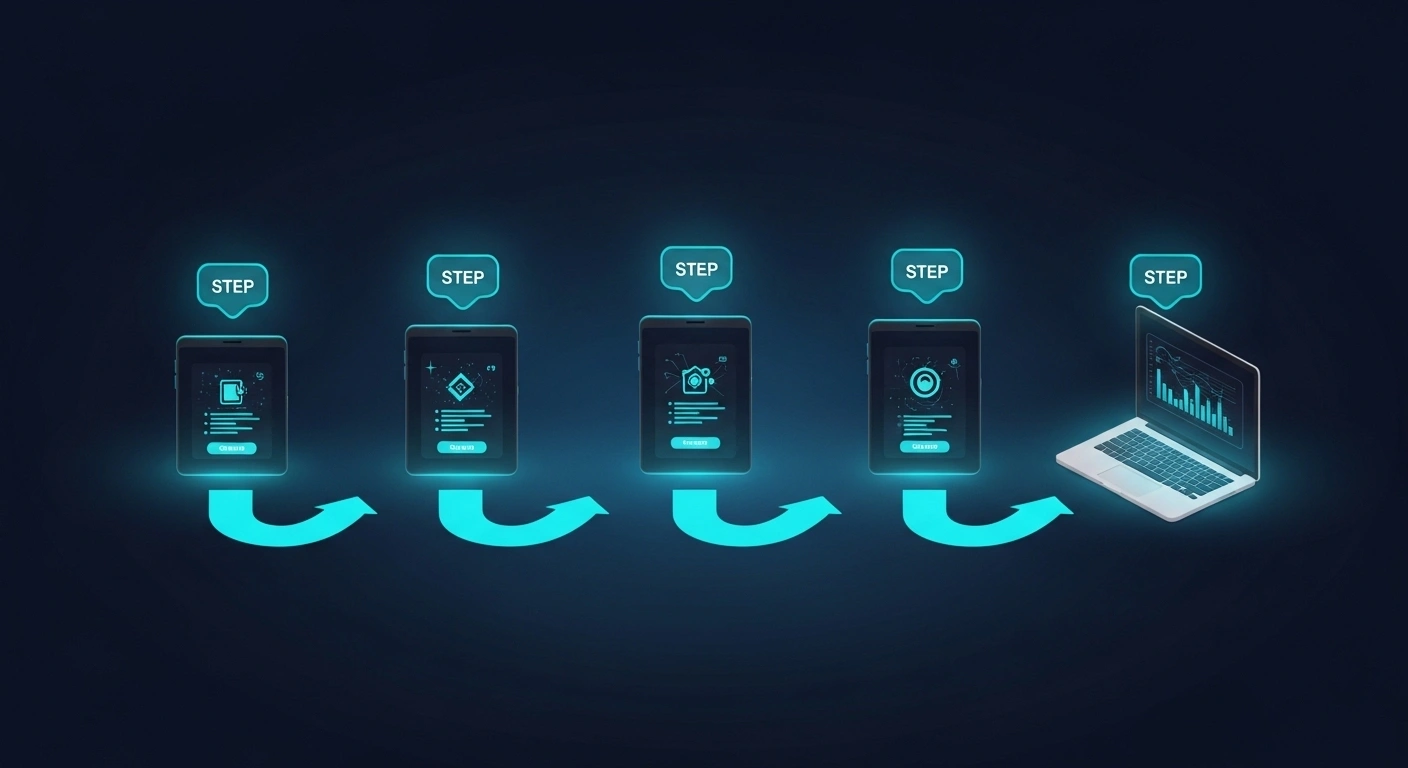
- Step 1: Define your use case. Are you building a new app from scratch? Maintaining an existing website? Automating testing? Different agents excel at different tasks. List your top three needs before you start exploring tools.
- Step 2: Check integration with your stack. Some agents work best with specific languages or frameworks. If your business uses Python and React, make sure the agent you choose supports them well. Many tools now offer plugins for popular IDEs like VS Code and JetBrains.
- Step 3: Evaluate autonomy level. Some agents generate code but need human review. Others can deploy directly to production. For critical business systems, start with a semi-autonomous agent that flags changes for approval.
- Step 4: Look at pricing and scalability. Open source agents are free but require setup. Commercial tools often include support and easier integration. Compare costs against your expected team size and project complexity.
- Step 5: Test with a real project. Most tools offer a free trial or demo. Use a small side project to see how well the agent understands your requirements. Pay attention to code quality, error handling, and ease of use.
Common Mistakes to Avoid When Using AI Coding Agents

Mistake 1: Giving vague or incomplete prompts

AI agents need clear instructions. If you say “make a login page,” you might get something generic. Instead, specify the features you want, the design style, and any security requirements. Be as detailed as you would be with a human developer. For more on crafting effective AI workflows, see our AI Strategy Consulting.
Mistake 2: Skipping code review entirely

Even the best agents can make mistakes. Always review generated code, especially when it involves sensitive data or critical business logic. Set up a review process where a human checks every change before it goes live. This prevents security holes and logic errors.
Mistake 3: Ignoring documentation and context

AI coding agents work best when they understand your project’s architecture. Take time to provide context: share your existing code style, database schema, and user flows. Many agents can learn from your repository, but feeding them good documentation from the start saves hours of rework.
Mistake 4: Expecting perfection without iteration

No tool writes perfect code on the first try. Treat the agent’s output as a first draft. Refine prompts, give feedback, and iterate. Over time, the agent will learn your preferences and produce better results. This is similar to how you would train a new hire.
To get the most out of your AI investments, explore our Top 25 AI Tools in 2026 guide for a broader perspective on the ecosystem.
Top 20 AI Coding Agents and Autonomous Systems at a Glance
Here is a snapshot of the most popular and effective AI coding agents and autonomous systems available in 2026. These tools range from open source projects that you can run locally to enterprise-grade platforms with full support. We have selected them based on community adoption, feature set, and real-world use cases.
The list below covers a mix of general-purpose coding agents, specialised autonomous systems, and frameworks that help you build your own agents. Use it as a starting point to build your own test list.
| Tool Name | Type | Key Feature | Best For |
|---|---|---|---|
| Augment Code | AI Coding Assistant | Real-time context-aware code generation | Full stack development |
| GitHub Copilot X | AI Agent | Autonomous pull request creation and review | Team collaboration |
| Tabnine | AI Coding Assistant | Privacy-first, offline capable | Security-conscious teams |
| Cursor | AI IDE Agent | Entire project understanding and refactoring | Complex codebases |
| Codeium | AI Coding Assistant | Free tier with strong language support | Startups and solo developers |
| OpenAI Codex CLI | Autonomous System | Converts natural language to deployable code | Rapid prototyping |
| Anthropic Claude Engineer | Agent Framework | Handles long code conversations and debugging | Complex debugging sessions |
| Replit Agent | Autonomous Platform | Full app creation from prompt to deploy | Non-developers building MVPs |
| AutoGPT Code Branch | Autonomous System | Self-directed task breakdown and execution | Research and automation |
| Blaze | Agent Framework | Multi-agent orchestration for large projects | Enterprise development teams |
| Mintlify AI Writer | Agent | Automates code documentation and API docs | Documentation generation |
| TestSprite | Autonomous System | Generates and runs test cases autonomously | Quality assurance |
| Kodu Code Bot | AI Agent | Voice-controlled coding for mobile | On-the-go development |
| Bloop | AI Agent | Legacy code understanding and modernisation | Migration projects |
| Devin | Autonomous System | End-to-end software engineering from prompt | Full product development |
| PieceX Agent | Agent Framework | Reuses code from open source marketplace | Rapid feature building |
| Robot Framework AI | Autonomous System | Test automation with self-healing scripts | Continuous testing |
| Create | AI Agent | App scaffolding and boilerplate generation | Jumpstarting new projects |
| Zenith AI | Agent Framework | Custom agent builder for specific domains | Niche industry applications |
| Morph | Autonomous System | Autonomous deployment and rollback management | DevOps teams |
This list is not exhaustive. New tools appear almost every week, and open source projects continue to mature. For a deeper dive into how these tools can be integrated into your marketing and business automation, check our AI Agents and Bots service page.
Not sure which tool fits your business?
Our team at NaviGo Tech Solutions will set it up for you — free 30-minute strategy call.